
Double Sphere Rubber Expansion Joint
Two arches in one rubber body. Takes more axial extension and angular movement than a single sphere joint of the same size. DN32–DN1000.
- Size Range: DN32–DN1000 (1¼"–40")
- Length: 165–340 mm
- Movement: Up to 25 mm extension, 25° angular
- Pressure:PN10 / PN16 / PN25
- Rubber:EPDM / NBR / NR / CR / IIR
- Flange:Carbon steel, SS304, SS316L
Single Sphere Rubber Expansion Joint Dimensions
DN32 to DN1000. All dimensions in mm. Flange drilling to the standard you choose — see Flanges below.
Swipe the table →
| DN | Inch | Length L | Axial movement | Lateral | Angular | |
|---|---|---|---|---|---|---|
| Extension | Compression | |||||
| 32 | 1¼" | 165 | 25 | 20 | 10 | 25° |
| 40 | 1½" | 165 | 25 | 20 | 10 | 25° |
| 50 | 2" | 165 | 25 | 20 | 10 | 25° |
| 65 | 2½" | 175 | 25 | 20 | 10 | 25° |
| 80 | 3" | 175 | 25 | 20 | 10 | 25° |
| 100 | 4" | 225 | 25 | 20 | 15 | 25° |
| 125 | 5" | 225 | 25 | 20 | 15 | 25° |
| 150 | 6" | 225 | 25 | 20 | 15 | 25° |
| 200 | 8" | 325 | 25 | 20 | 20 | 25° |
| 250 | 10" | 325 | 25 | 20 | 20 | 25° |
| 300 | 12" | 325 | 25 | 20 | 20 | 25° |
| 350 | 14" | 330 | 25 | 20 | 20 | 25° |
| 400 | 16" | 330 | 25 | 20 | 20 | 25° |
| 450 | 18" | 330 | 25 | 20 | 20 | 25° |
| 500 | 20" | 340 | 25 | 20 | 20 | 25° |
| 600 | 24" | 240 | 25 | 20 | 20 | 25° |
| 700 | 28" | 260 | 25 | 20 | 20 | 25° |
| 800 | 32" | 260 | 25 | 20 | 20 | 25° |
| 900 | 36" | 280 | 25 | 20 | 20 | 25° |
| 1000 | 40" | 280 | 25 | 20 | 20 | 25° |
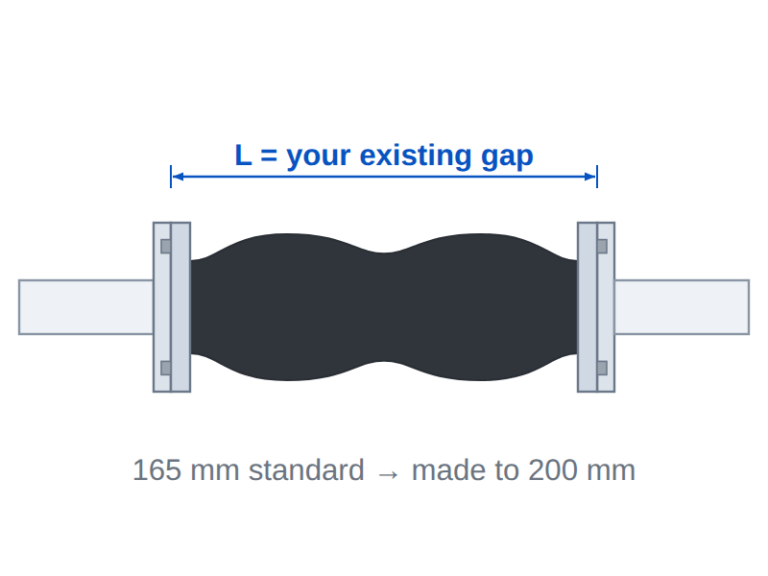
Face-to-face length can be changed to fit an existing gap.
Single Sphere or Double Sphere?
Same flanges, same bore. The double sphere body is longer and moves further — this is the difference, size by size.
Single sphereDouble sphere
DN50 (2")
DN100 (4")
DN150 (6")
Choose double sphere when
- Movement: the pipe moves more than a single sphere joint allows
- Settlement: the joint crosses a building joint or two foundations
- Space: there is room for the longer body
Stay with single sphere when
- <strongSpace: the gap is short
- Movement: it fits within the single sphere table
- Cost: you want the lower price per piece
How It’s Built
Five parts, each one you can specify.
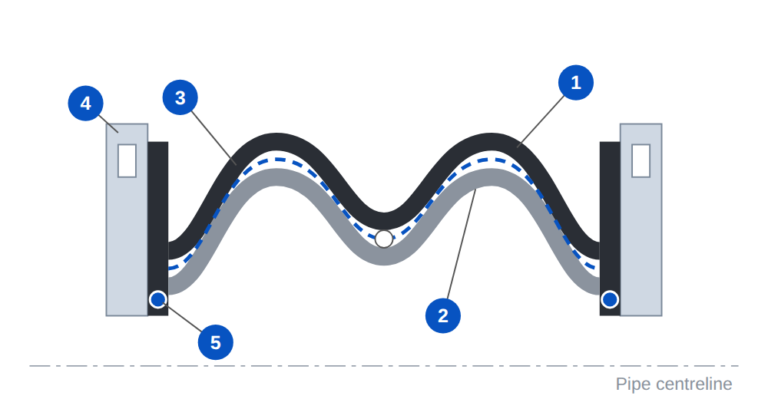
- Outer rubber: — IIR, CR, EPDM, NR or NBR.
- Inner rubber: — Chosen for your medium.
- Polyester cord fabric: — Runs through both arches in one piece.
- Flange : — Q235 carbon steel, SS304 or SS316L.
- Steel wire ring : — Locks each end of the body into its flange.
Choose the Rubber by Medium and Temperature
The rubber decides what the joint can carry. Pick it by the hottest temperature in your line, then check the medium below.
Service temperature
Dark bars: continuous rating of the finished joint. Light bars: limit of the compound itself, short periods only.
How the compounds compare
| Property | NR | NBR | CR | IIR | EPDM | CSM | FKM |
|---|---|---|---|---|---|---|---|
| Best for | Cold water, abrasive slurry | Oil, fuel, oily water | Seawater, outdoor lines | Acids, gas, vacuum | Water, hot water, outdoor | Oxidising chemicals, outdoor | Hot oil, solvents, strong acids |
| Mechanical | |||||||
| Tensile strength | Excellent | Good | Good | Fair | Good | Good | Good |
| Tear resistance | Excellent | Good | Good | Good | Fair | Good | Fair |
| Abrasion resistance | Excellent | Good | Good | Fair | Good | Good | Good |
| Flex life (movement) | Excellent | Good | Good | Good | Good | Good | Fair |
| Environment | |||||||
| Heat ageing | Fair | Good | Good | Excellent | Excellent | Excellent | Excellent |
| Ozone and sunlight | Poor | Poor | Good | Excellent | Excellent | Excellent | Excellent |
| Gas tightness / vacuum | Good | Good | Good | Excellent | Good | Good | Excellent |
| Water and hot water | Good | Good | Good | Excellent | Excellent | Good | Fair |
| Media | |||||||
| Mineral oil | Poor | Excellent | Good | Poor | Poor | Good | Excellent |
| Fuel, gasoline | Poor | Good | Fair | Poor | Poor | Fair | Excellent |
| Aromatics (benzene) | Poor | Poor | Poor | Poor | Poor | Fair | Excellent |
| Strong acids | Fair | Fair | Good | Good | Good | Good | Excellent |
| Weak acids | Good | Good | Excellent | Excellent | Excellent | Excellent | Excellent |
| Strong alkalis | Good | Good | Good | Excellent | Excellent | Excellent | Poor |
| Weak alkalis | Good | Good | Good | Excellent | Excellent | Excellent | Fair |
| Relative price | $ | $$ | $$ | $$ | $ | $$$ | $$$$ |
Can It Handle Your Media?
Pick your type of medium. Ratings are for room temperature — higher temperature or concentration lowers them. Send us the medium, concentration and temperature and we confirm the compound before production.
| Medium | NR | NBR | CR | IIR | EPDM | CSM | FKM | PTFE lined | Usually built in |
|---|---|---|---|---|---|---|---|---|---|
| Fresh water, drinking water | A | A | A | A | A | A | A | A | EPDM |
| Hot water ≤ 100 °C | X | C | B | A | A | B | C | A | EPDM |
| Seawater, brine | A | A | A | A | A | A | A | A | CR or EPDM |
| Wastewater, sewage | B | A | A | A | A | A | A | A | EPDM or NBR |
| Oily water, bilge water | X | A | B | X | C | B | A | A | NBR |
| Mineral oil, hydraulic oil | X | A | B | X | X | B | A | A | NBR |
| Diesel, heating oil | X | A | C | X | X | C | A | A | NBR |
| Gasoline (petrol) | X | B | C | X | X | C | A | A | NBR or FKM |
| Hot oil above 80 °C | X | C | C | X | X | C | A | A | FKM |
| Vegetable oil, animal fat | C | A | B | B | C | B | A | A | NBR |
| Compressed air, oil-free | A | A | A | A | A | A | A | A | EPDM |
| Compressed air with oil mist | X | A | B | X | C | B | A | A | NBR |
| Natural gas, LPG | C | A | B | X | X | B | A | A | NBR |
| Flue gas (SO₂, moist) | C | C | B | A | A | A | A | A | EPDM or IIR |
| Sulphuric acid ≤ 50 % | B | C | B | A | A | A | A | A | EPDM |
| Sulphuric acid 50–96 % | X | X | X | C | C | B | A | A | PTFE lined or FKM |
| Hydrochloric acid ≤ 36 % | C | C | C | B | B | A | A | A | CSM or PTFE lined |
| Nitric acid ≤ 10 % | X | X | C | B | B | A | A | A | CSM or FKM |
| Phosphoric acid ≤ 85 % | B | B | B | A | A | A | A | A | EPDM |
| Acetic acid ≤ 10 % | B | B | B | A | A | B | B | A | EPDM |
| Caustic soda ≤ 50 % | A | B | A | A | A | A | B | A | EPDM |
| Ammonia solution | B | B | A | A | A | A | X | A | EPDM |
| Sodium hypochlorite ≤ 15 % | X | C | C | B | B | A | A | A | CSM or PTFE lined |
| Salt solutions | A | A | A | A | A | A | A | A | EPDM |
| Benzene, toluene, xylene | X | X | X | X | X | X | A | A | PTFE lined or FKM |
| Acetone, MEK | C | X | X | A | A | C | X | A | EPDM |
| Alcohols (ethanol, methanol) | A | B | A | A | A | A | C | A | EPDM |
| Ethylene glycol, antifreeze | A | A | A | A | A | A | A | A | EPDM |
| Abrasive slurry (sand, tailings) | A | B | B | C | B | B | C | C | NR |
| Lime and cement slurry | A | A | A | A | A | A | A | A | NR or EPDM |
| FGD slurry (gypsum, chlorides) | B | C | B | A | A | A | A | B | EPDM or IIR |
No medium matches your search. Tell us the medium, concentration and temperature and we’ll check it for you. | |||||||||
Pressure, Temperature and Vacuum
Choose the class by working pressure. Vacuum is the most a joint of that class takes on a pump suction line.
Pressure classes
| Class | Working pressure | Burst pressure | Vacuum |
|---|---|---|---|
| PN10 | 1.0 MPa | 2.0 MPa | 53.3 kPa (400 mmHg) |
| PN16 | 1.6 MPa | 3.0 MPa | 86.7 kPa (650 mmHg) |
| PN25 | 2.5 MPa | 4.5 MPa | 100 kPa (750 mmHg) |
Temperature
−15 to +100 °C standard. −30 to +150 °C with a special compound.
Higher vacuum
Above the listed vacuum, order the joint with a vacuum support ring.
Rating by size
| Size | Extension | Lateral | Angular |
|---|---|---|---|
| DN32 – DN80 | 25 mm | 10 mm | 25° |
| DN100 – DN150 | 25 mm | 15 mm | 25° |
| DN200 – DN1000 | 25 mm | 20 mm | 25° |
For DN600 and above, confirm the pressure class with us before ordering.
Flange Standards and Materials
Pick your pipe’s flange standard, class and size. If the numbers match your flange, our joint bolts straight on — no adapter, no re-drilling.
Check your flange
Standards we drill to
-
EN 1092-1PN6 · PN10 · PN16 · PN25 · PN40 — same drilling as DIN, BS 4504, GB/T 9119
-
ASME B16.5 / B16.47Class 150 · Class 300 · Series A 26"–60"; AWWA C207 Class D
-
JIS B22205K · 10K · 16K · 20K
-
AS 2129 / AS 4087Table D · Table E · PN16
-
Your drawingGOST, BS 10 or any special drilling; tapped holes on request
Flange material and finish
- Carbon steel Q235 Hot-dip galvanised, zinc plated or painted (blue / black)
- Stainless steel 304: For corrosive environments and seawater areas
- Stainless steel 316L For chemical plants and coastal installations
Installing a Double Sphere Joint
Four rules that prevent most failures
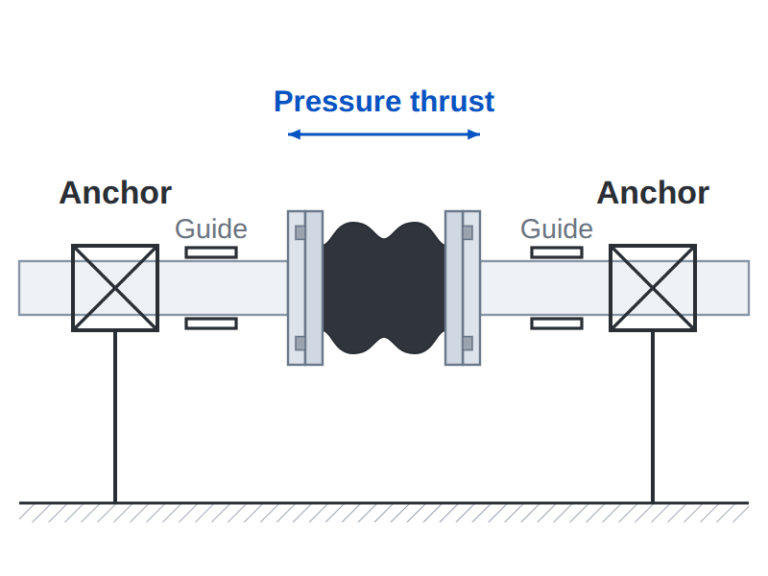
Anchor the pipe on both sides
The longer body stretches further under pressure. Anchors, not the joint, should hold the pipe.
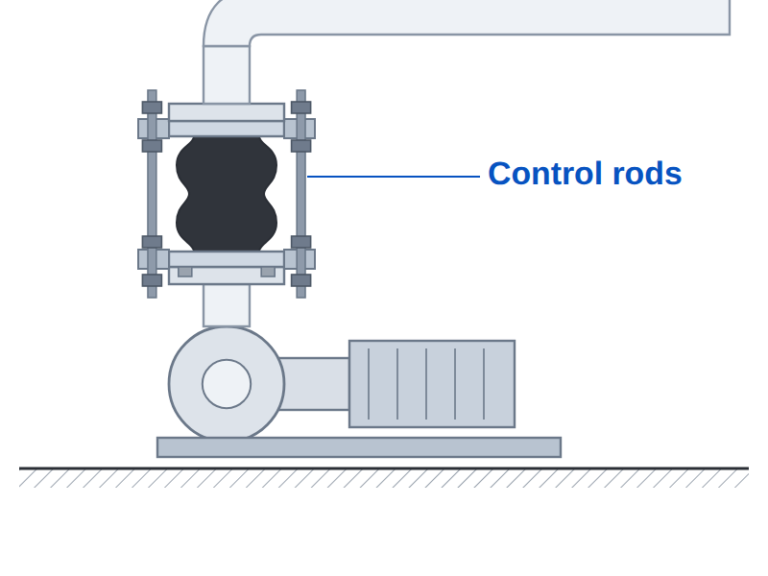
Use control rods at pumps
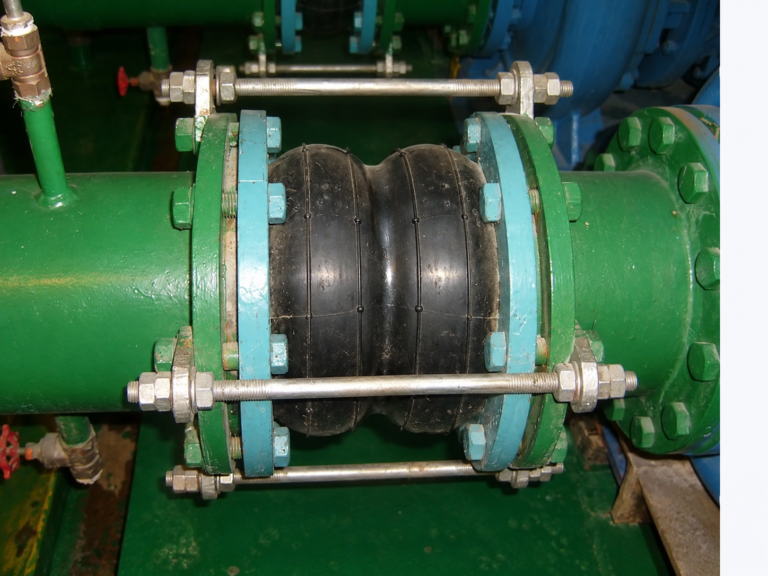
Rods take the pressure thrust when a pump or valve cannot.
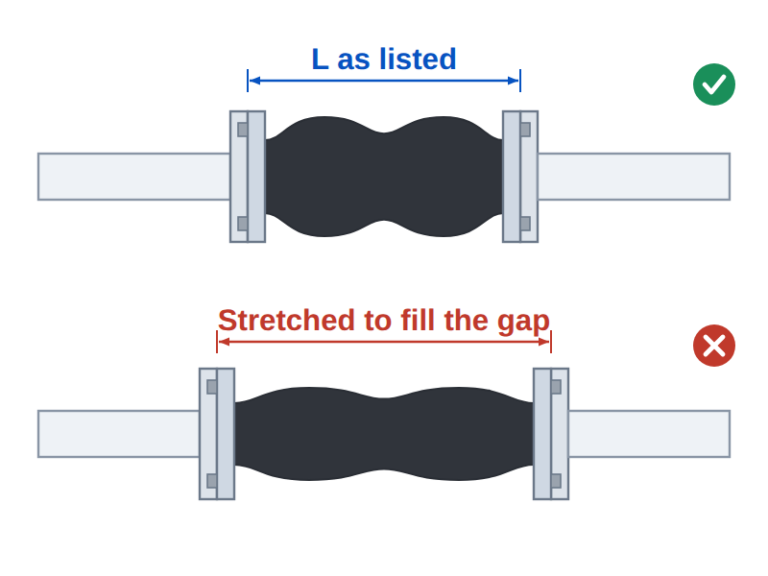
Install at the listed length
Do not stretch or squeeze the joint to fill a wrong gap.
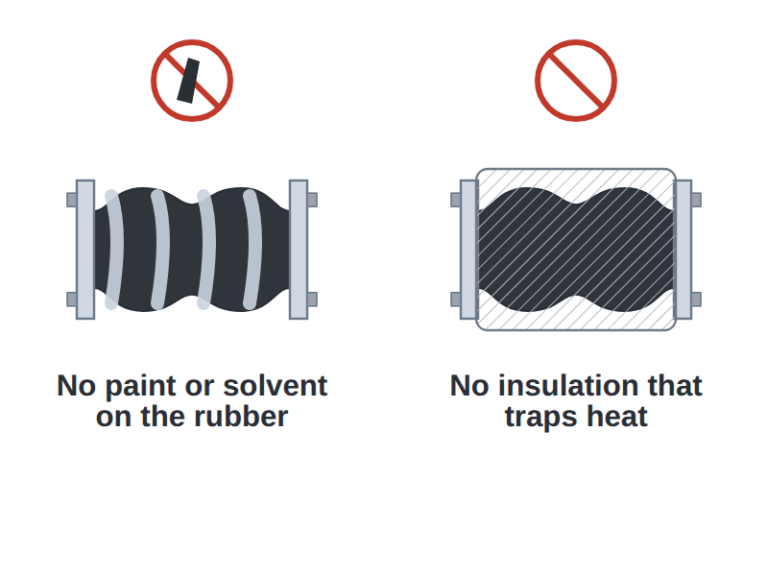
Keep paint and insulation off the rubber
Solvents and trapped heat shorten rubber life.
Options
Add these when the job needs them — each one is priced separately.
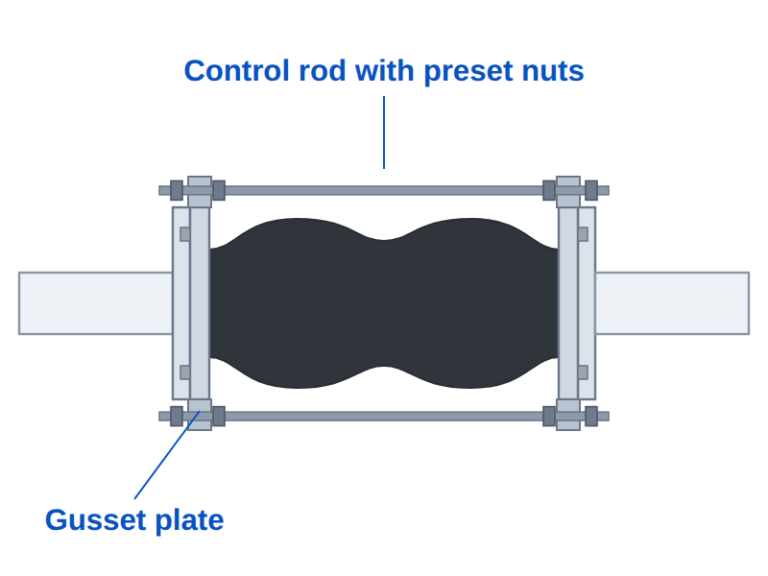
Control rods
Stop over-extension under pressure thrust. Fit them at pump outlets or where the pipe is not anchored.
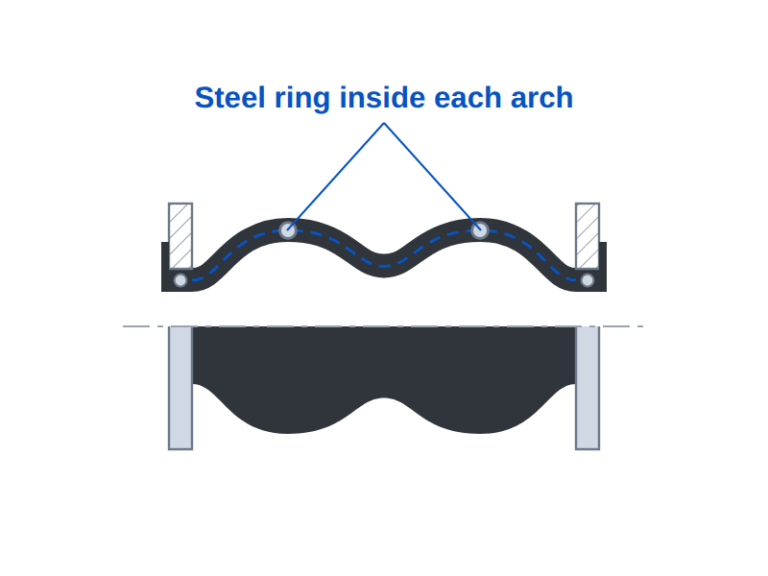
Vacuum support ring
A steel ring inside the arch keeps it from collapsing on suction lines.
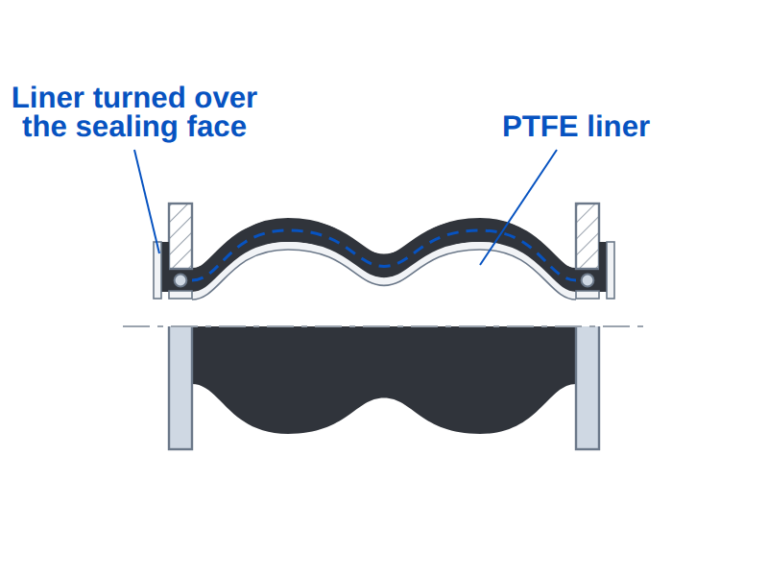
PTFE lining
White PTFE liner for strong acids, solvents and food-grade media.
Tapped holes & custom drilling
Threaded bolt holes for wafer valves, or drilling to your drawing.
Why Buy From Our Factory
A rubber joint is a simple product. What decides whether it lasts is the right material for your working conditions — and then the price.
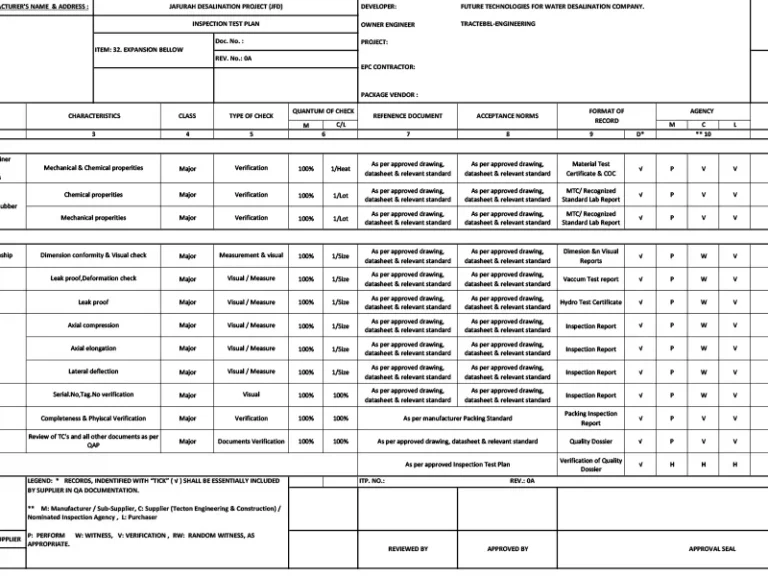
Working conditions confirmed first
Size, pressure, medium, temperature, length and flange drilling are checked against your data and sent back on a drawing before production starts.
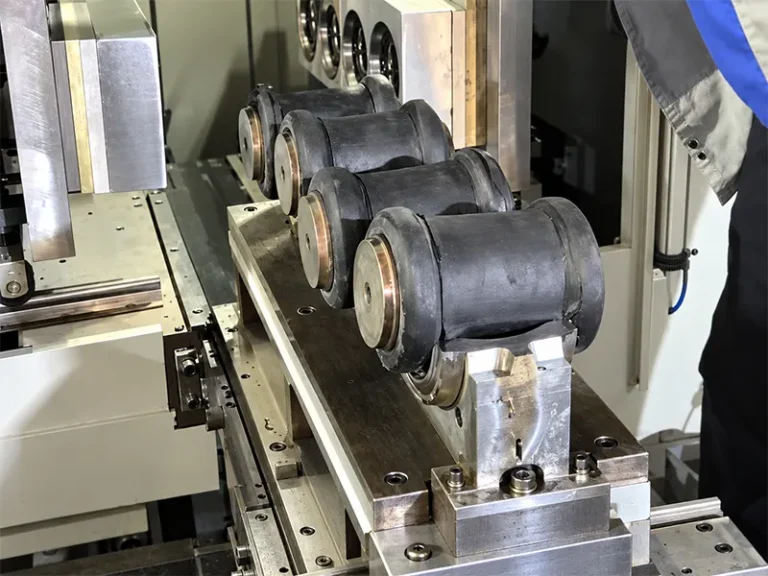
Full material, nothing thinned
Flanges and unions to full thickness, cord plies matched to the pressure class, rubber compounded in-house for your medium.
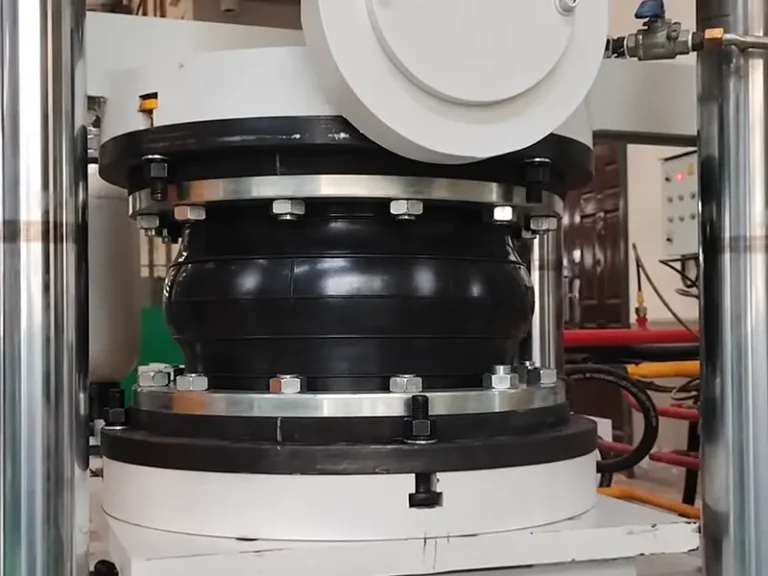
Pressure tested before packing
Every joint is tested at 1.5 × working pressure and checked for leaks and bulging.
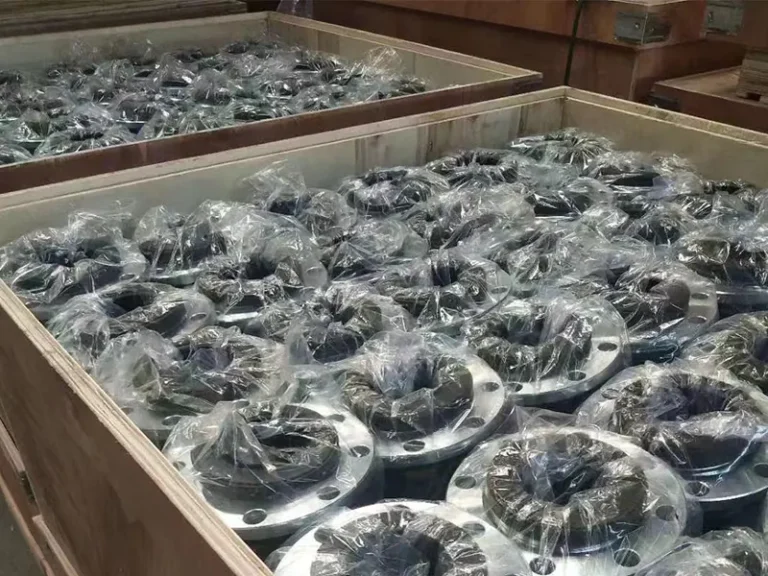
Factory price, quoted the same day
You buy from the production line, not through a trader. Send size, pressure and medium and get a price the same working day.
Where It’s Installed
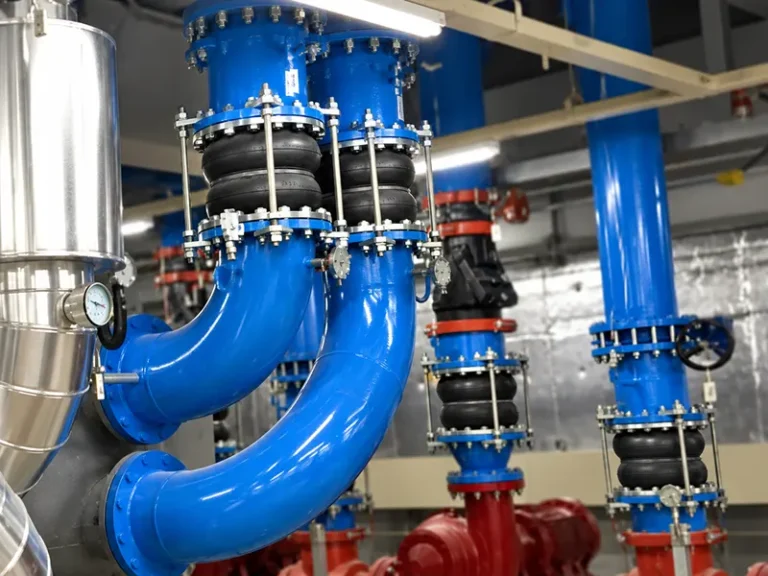
Pump suction and discharge
Stops pump vibration and noise travelling down the line. Add a vacuum ring on the suction side.
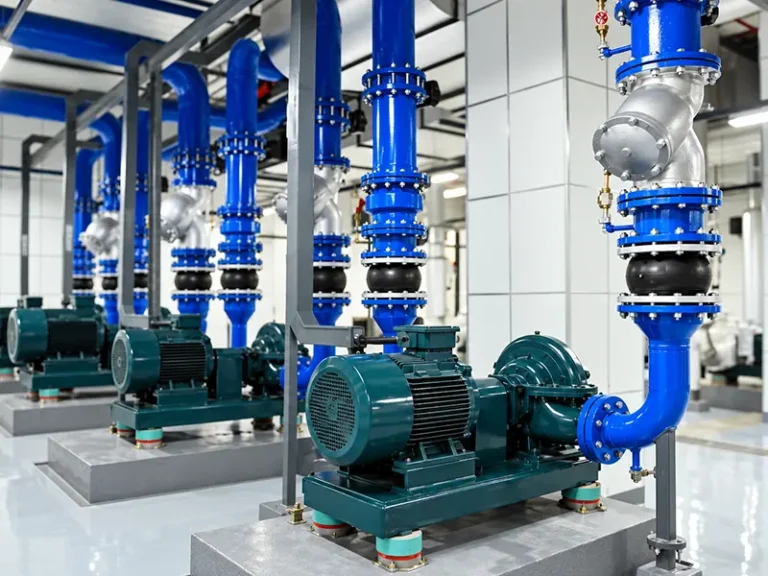
HVAC chillers and cooling towers
Takes thermal movement and isolates vibration at chillers, cooling towers and AHUs.
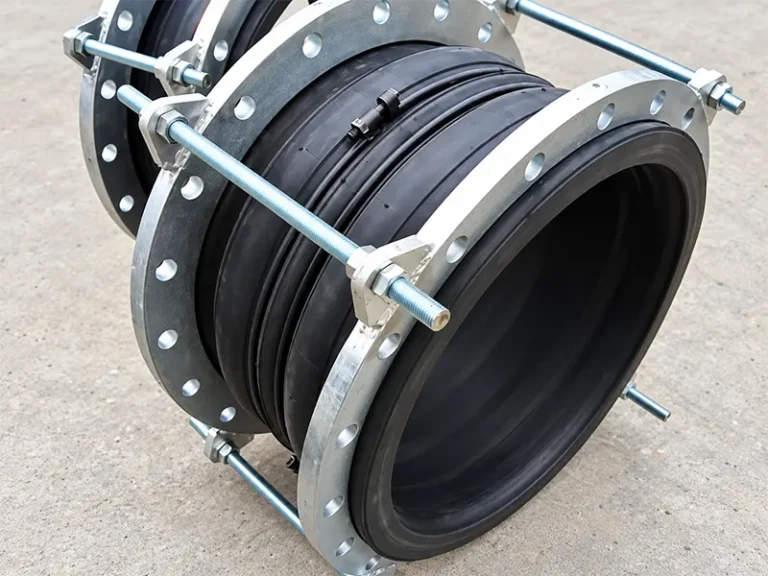
Water treatment and pump stations
Compensates settlement and misalignment between pumps, valves and headers.
In Service
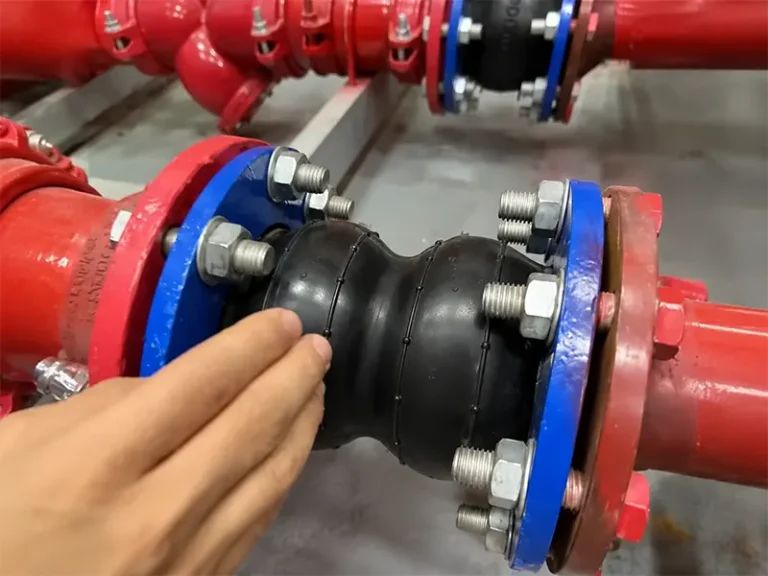
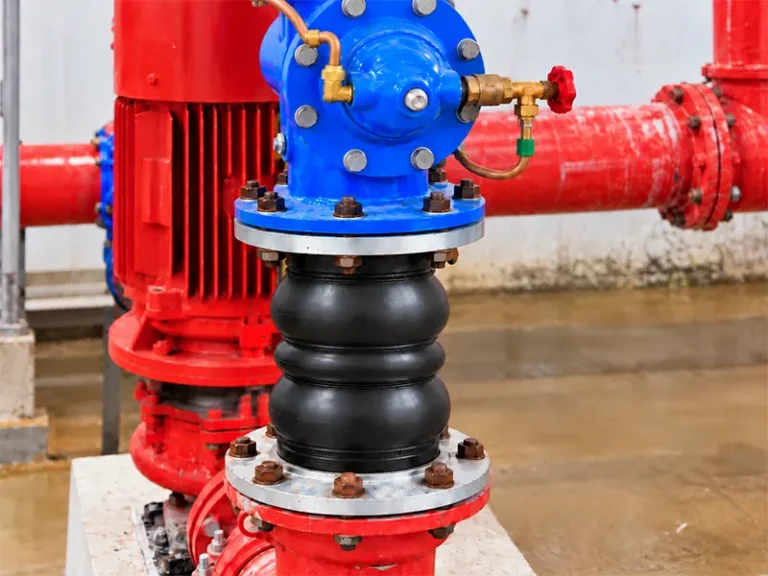
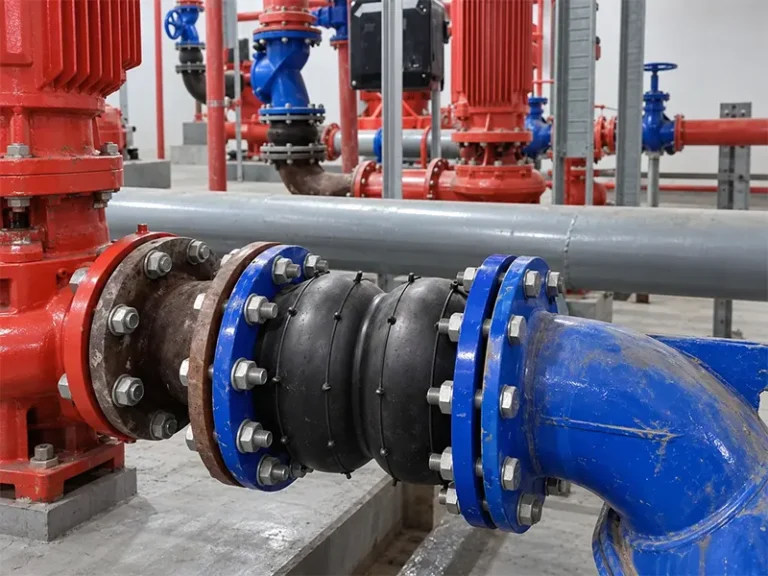
Rubber joints from our factory, photographed by customers on site.
Double Sphere Rubber Expansion Joint Price
What you pay depends on a few choices. Send them and we quote the same day.
What changes the price
- Size: : DN is the biggest factor
- Rubber: : EPDM / NR vs NBR / CR / PTFE lined
- Pressure class : PN10 / PN16 / PN25
- Flange : Carbon steel vs stainless
- Options : Control rods, vacuum rings
- Quantity : Price breaks at 200 pcs
Reference price
| Size | Price per piece |
|---|---|
| DN50 | Contact Us |
| DN100 | Contact Us |
| DN150 | Contact Us |
| DN200 | Contact Us |
| DN300 | Contact Us |
EPDM, PN16, galvanised carbon steel flanges, EXW Gongyi / FOB Tianjin or Ningbo or Guangzhou. Prices change with steel and rubber costs.
Downloads
Datasheets, drawings and references for submittals.
Control rods
For all our rubber joints
Frequently Asked Questions
What is the difference between single and double sphere joints?
The double sphere has two arches and a longer body. At the same size it takes more axial extension and angular movement — compare them size by size above.
Is a double sphere joint the same as a twin sphere joint?
Yes. Double sphere, twin sphere and double arch all describe the same two-arch design.
How long is a DN100 double sphere joint?
225 mm face-to-face. Other sizes are in the table; we can also make a length to fit your gap.
Do double sphere joints need control rods?
More often than single sphere joints, because the longer body stretches further under pressure. Fit them at pumps and on unanchored lines.
Which rubber should I use for oil?
NBR. For oil outdoors we can add a CR outer cover for ozone resistance.
What is the MOQ and lead time?
MOQ 1 pcs. Common sizes in EPDM and NBR are usually in stock and ship in 3-7 days; other sizes take 10-20 days.
Related Products
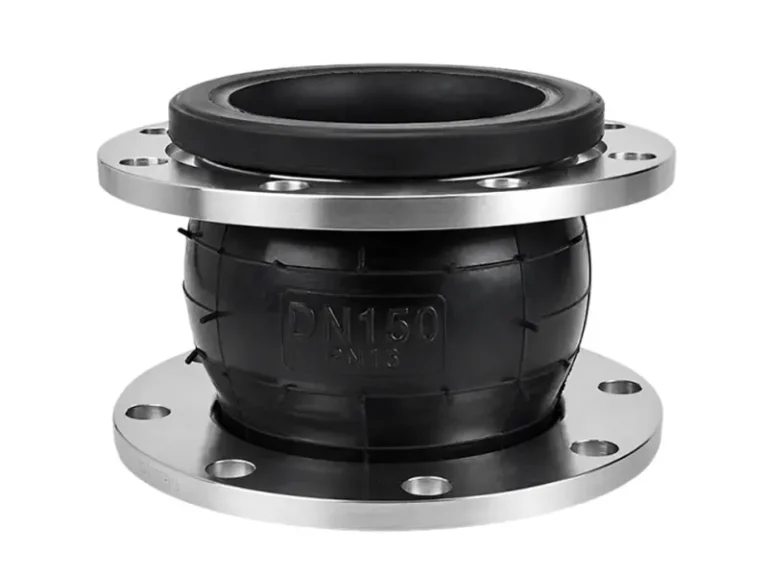
Single Sphere Rubber Expansion Joint
- Structure: Single Sphere
- Rubber Options: NR / EPDM / NBR / Customized
- Size Range: DN32–DN3100
- Flange Options: Carbon Steel / Stainless Steel
- Customization: According to Your Drawing
- Applications: Water, HVAC & Industrial Piping
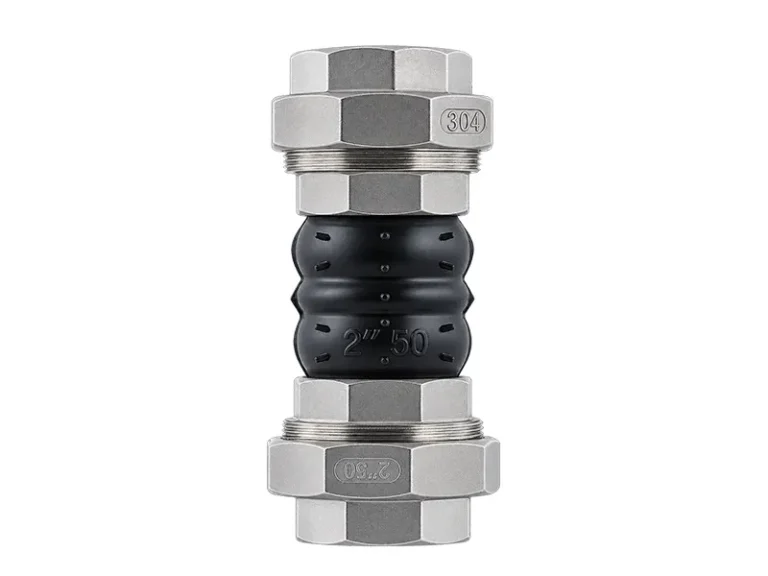
Threaded Rubber Expansion Joint
- Connection: Threaded Connection
- Rubber Options: NR / EPDM / NBR / Customized
- Size Range: DN32–DN80
- Thread Options: Customized
- Customization: According to Your Drawing
- Applications: Water, HVAC & Equipment Connections
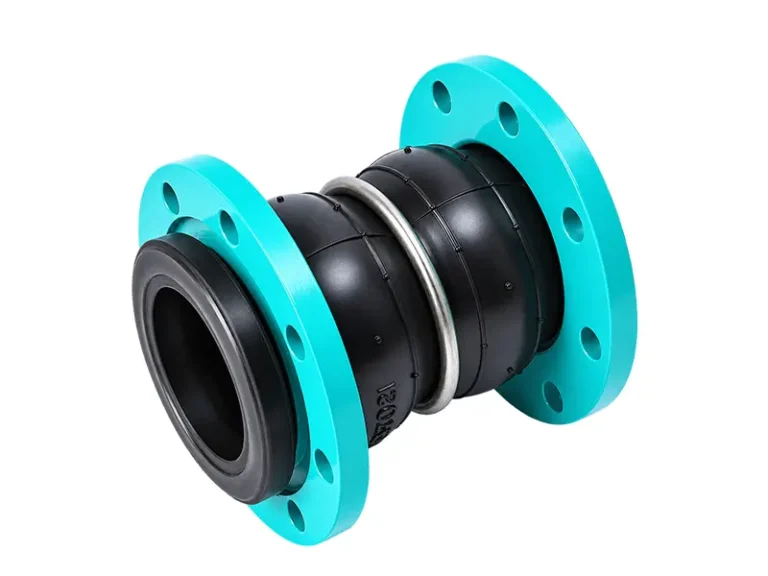
Single Sphere Rubber Expansion Joint
- Structure: Double Sphere
- Rubber Options: NR / EPDM / NBR / Customized
- Size Range: DN32–DN600
- Flange Options: Carbon Steel / Stainless Steel
- Customization: According to Your Drawing
- Applications: Water, HVAC & Industrial Piping
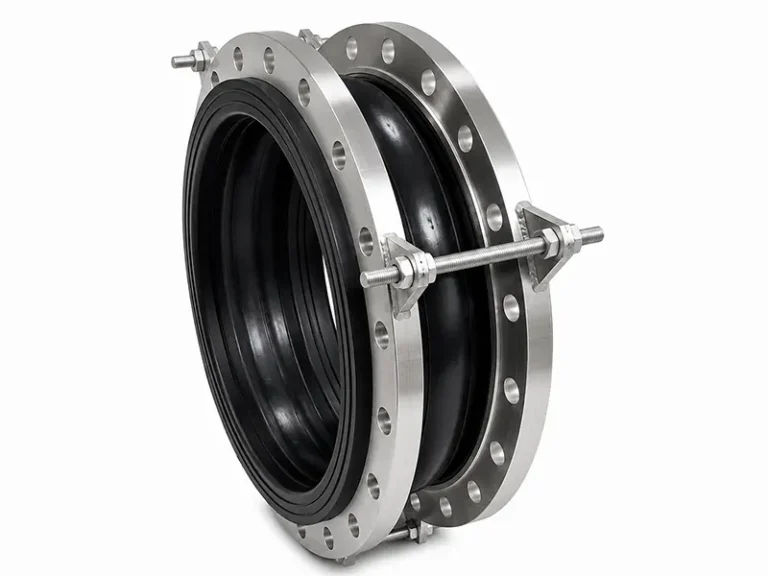
Rubber Expansion Joint with Control Units
- Structure: Single Sphere with Control Rods
- Rubber Options: NR / EPDM / NBR / Customized
- Size Range: DN32–DN3100
- Control Units: Tie Rod Type
- Customization: According to Your Drawing
- Applications: Pumps, Valves & Industrial Piping
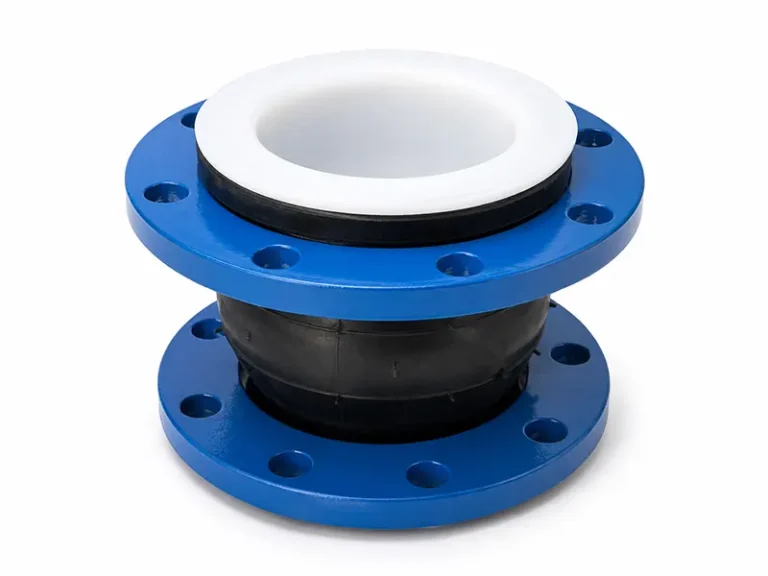
PTFE Lined Rubber Expansion Joint
- Lining: PTFE Lined
- Rubber Options: EPDM / NBR / Customized
- Size Range: Customized
- Flange Options: Carbon Steel / Stainless Steel
- Customization: According to Your Drawing
- Applications: Chemical & Corrosive Media
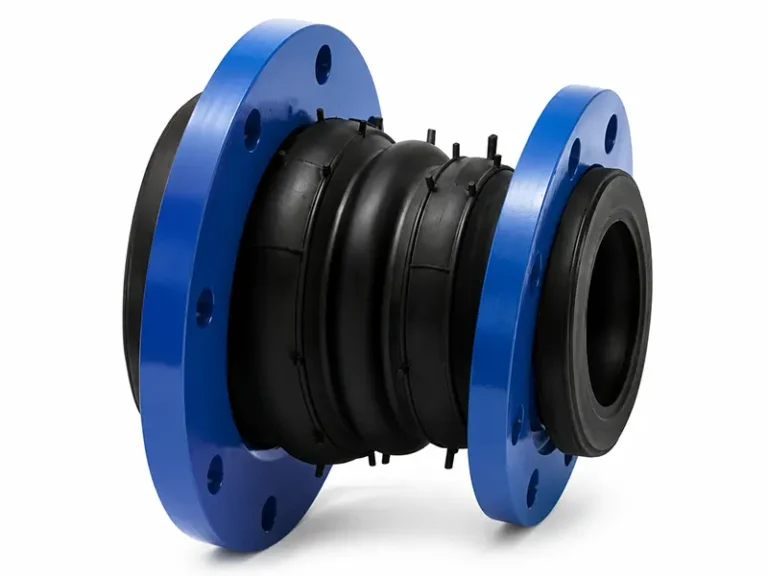
Concentric Reducer Rubber Expansion Joint
- Structure: Concentric Reducer
- Centerline: Same Centerline
- Rubber Options: NR / EPDM / NBR / Customized
- Size Range: Customized
- Flange Options: Carbon Steel / Stainless Steel
- Applications: Different-Diameter Pipeline Connections
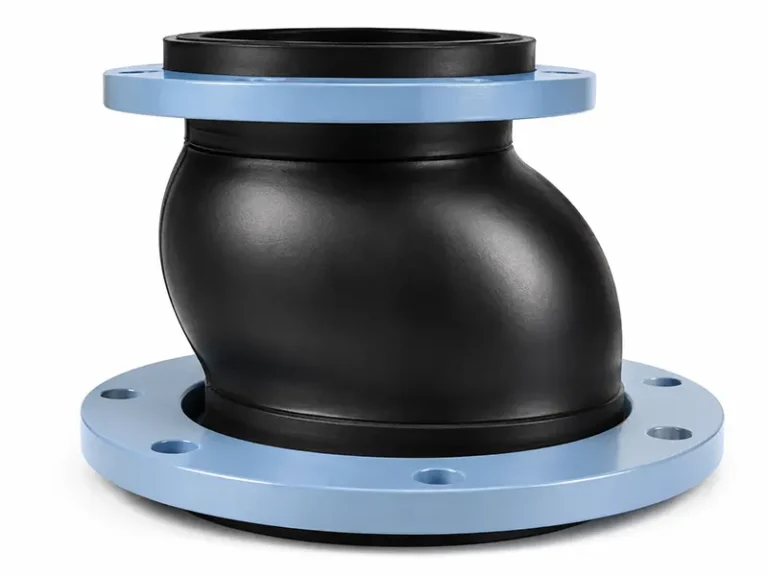
Eccentric Reducer Rubber Expansion Joint
- Structure: Eccentric Reducer
- Rubber Options: NR / EPDM / NBR / Customized
- Size Range: Customized
- Flange Options: Carbon Steel / Stainless Steel
- Customization: According to Your Drawing
- Applications: Pumps & Different-Diameter Pipelines
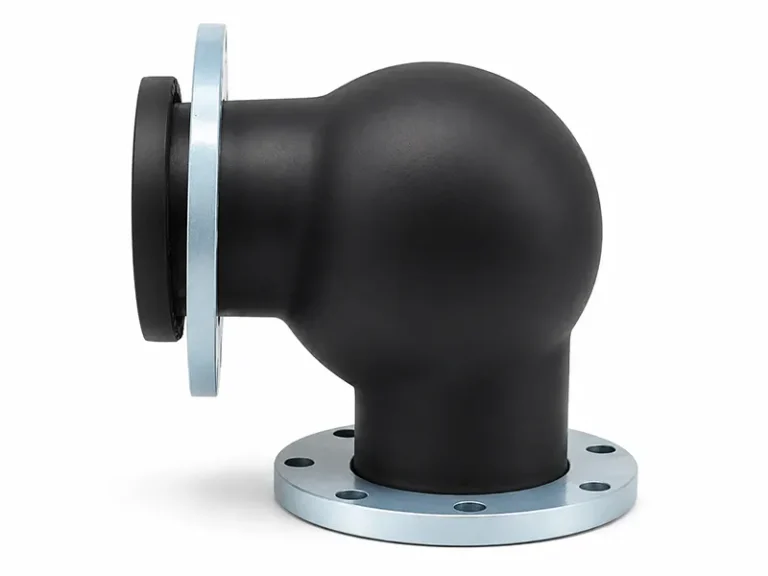
90° Elbow Rubber Expansion Joint
- Structure: 90° Elbow
- Rubber Options: NR / EPDM / NBR / Customized
- Size Range: Customized
- Flange Options: Carbon Steel / Stainless Steel
- Customization: According to Your Drawing
- Applications: Pipeline Direction Changes
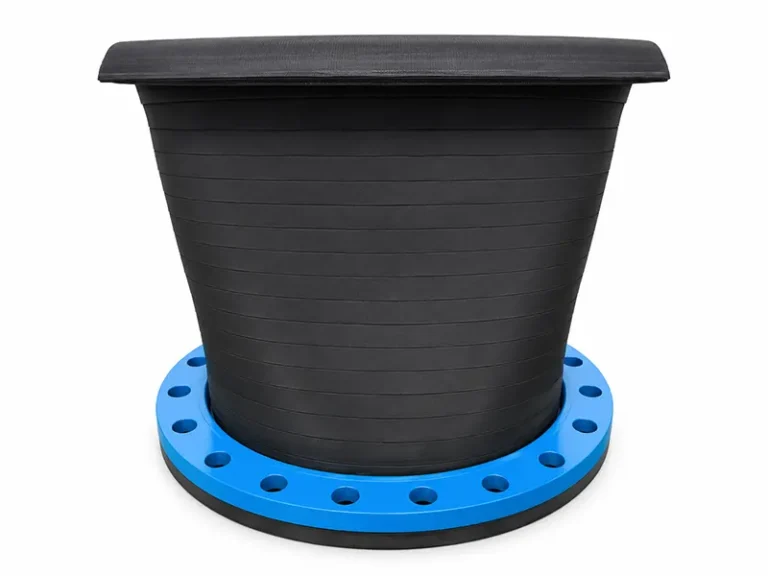
Flanged Duckbill Check Valve
- Structure: Duckbill Type
- Rubber Options: EPDM / NBR / Customized
- Connection: Flanged
- Size Range: Customized
- Function: Backflow Prevention
- Applications: Drainage, Sewage & Water Systems
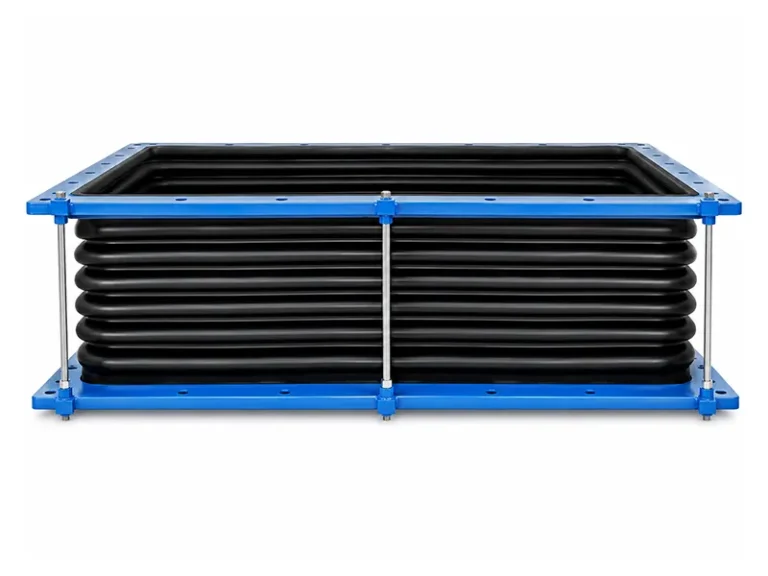
Rectangular Rubber Expansion Joint
- Structure: Rectangular Type
- Rubber Options: EPDM / Customized
- Size Range: Customized
- Connection: Flanged Frame
- Customization: According to Your Drawing
- Applications: Ducts & Large Pipeline Systems
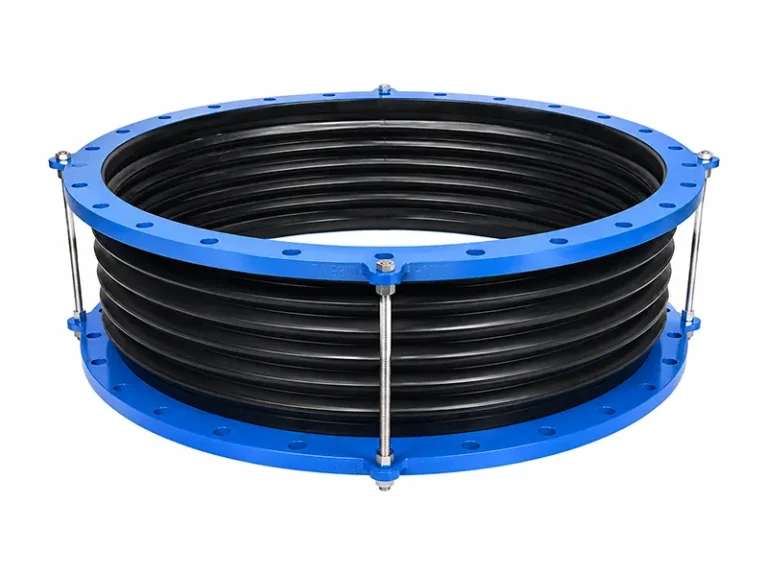
Large Diameter Rubber Expansion Joint
- Structure: Large Diameter Type
- Rubber Options: NR / EPDM / NBR / Customized
- Size Range: Large Diameter / Customized
- Connection: Flanged
- Customization: According to Your Drawing
- Applications: Water & Industrial Pipeline Systems
Send Your Size, Pressure and Medium
We reply with a drawing and a price within 24 hours on working days.
Contact Us
Send your size, pressure, medium, flange standard and quantity. This block follows the clean contact layout of your reference page.