
Threaded Rubber Expansion Joint
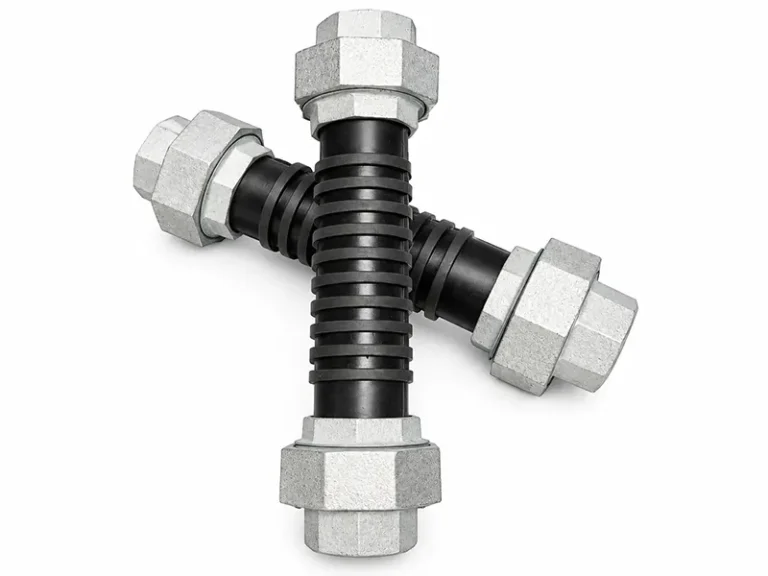
Twin-sphere rubber joint with female union ends for ½” to 2″ threaded pipe. Screws onto fan coils, small pumps and water heaters — no flanges, no welding.
- Size Range: : DN15–DN50 (½"–2")
- Connection: : Female thread union, BSP or NPT
- Working Pressure:: 1.6 MPa (burst 4.8 MPa)
- Temperature: : −20 to +115 °C
- Media: : Water, hot water, air
- Union:: Malleable iron; SS304 on reques
Threaded Rubber Expansion Joint Dimensions
All dimensions in mm.
Swipe the table →
| DN | Inch | Length L | Axial compression | Axial extension | Lateral | Angular | |
|---|---|---|---|---|---|---|---|
| Type A | Type B | ||||||
| 15 | ½" | 180 | 200 | 10 | 5 | 20 | 45° |
| 20 | ¾" | 200 | 200 | 10 | 5 | 20 | 45° |
| 25 | 1" | 210 | 200 | 10 | 5 | 20 | 45° |
| 32 | 1¼" | 210 | 200 | 10 | 5 | 20 | 45° |
| 40 | 1½" | 220 | 200 | 10 | 5 | 20 | 45° |
| 50 | 2" | 220 | 200 | 10 | 5 | 20 | 45° |
Reducing threaded joints
Swipe the table →
| DN1 × DN2 | Inch | Length L | Axial compression | Axial extension | Lateral | Angular |
|---|---|---|---|---|---|---|
| 20 × 15 | ¾" × ½" | 200 | 10 | 5 | 25 | 45° |
| 25 × 20 | 1" × ¾" | 220 | 10 | 5 | 25 | 45° |
| 32 × 25 | 1¼" × 1" | 220 | 10 | 5 | 25 | 45° |
| 40 × 32 | 1½" × 1¼" | 240 | 10 | 5 | 25 | 45° |
Face-to-face length can be made to replace an existing connector.
Thread and Union Options
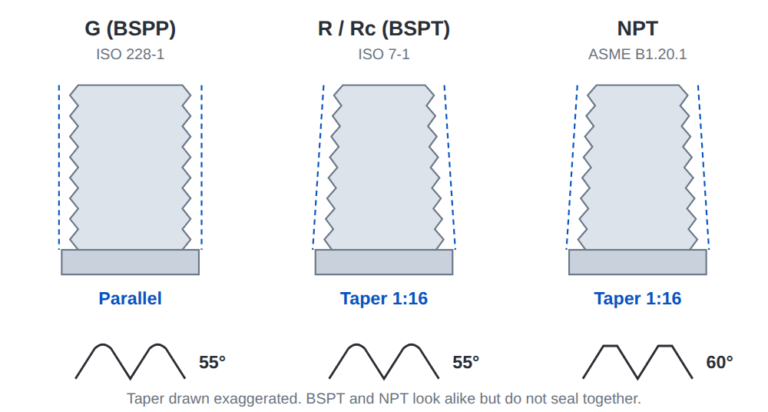
Tell us the thread on your pipe or equipment. The three common threads look almost the same — the difference is the taper and the thread angle.
G · BSPP (parallel)
ISO 228-1 · 55° thread, no taper. Seals on a flat gasket or O-ring, not on the thread.
Europe, Middle East, Asia
G · BSPP (parallel)
ISO 228-1 · 55° thread, no taper. Seals on a flat gasket or O-ring, not on the thread.
Europe, Middle East, Asia
G · BSPP (parallel)
ISO 228-1 · 55° thread, no taper. Seals on a flat gasket or O-ring, not on the thread.
Europe, Middle East, Asia
BSPT and NPT are not interchangeable. They will start to screw together, but they will not seal: the thread angle differs, and from 1″ up the pitch differs too (11 vs 11½ threads per inch).
Union material
- Malleable iron: Galvanised, standard
- Stainless steel 304: For corrosive rooms and outdoor units
Sealing
- Union side: The rubber lip is the seal — no gasket, no tape
- Pipe side: Tape or sealant on taper threads (R, NPT); gasket on G threads
How It’s Built
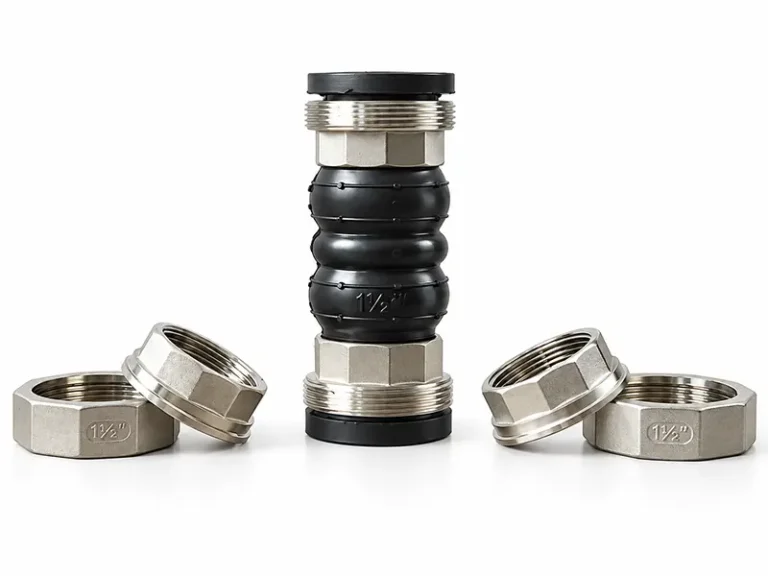
A twin-sphere rubber body with a complete union at each end — nut and threaded end.
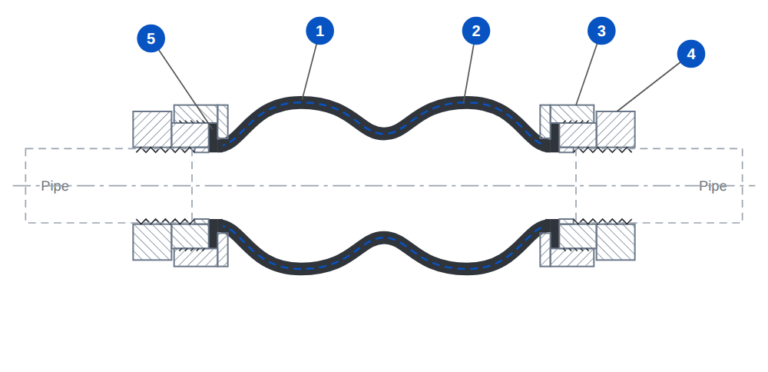
- Rubber body: — Twin sphere, EPDM standard; NBR for oily water.
- Nylon cord reinforcement: — Holds 1.6 MPa working pressure.
- Union nut : — Turns freely, so the joint goes in without twisting the rubber.
- Union end: — Malleable iron or SS304, female thread BSP or NPT.
- Rubber sealing lip: — Clamped by the nut against the union end; no separate gasket.
Choose the Rubber by Medium and Temperature
The rubber decides what the joint can carry. Pick it by the hottest temperature in your line, then check the medium below.
Service temperature
Dark bars: continuous rating of the finished joint. Light bars: limit of the compound itself, short periods only.
How the compounds compare
| Property | NR | NBR | CR | IIR | EPDM | CSM | FKM |
|---|---|---|---|---|---|---|---|
| Best for | Cold water, abrasive slurry | Oil, fuel, oily water | Seawater, outdoor lines | Acids, gas, vacuum | Water, hot water, outdoor | Oxidising chemicals, outdoor | Hot oil, solvents, strong acids |
| Mechanical | |||||||
| Tensile strength | Excellent | Good | Good | Fair | Good | Good | Good |
| Tear resistance | Excellent | Good | Good | Good | Fair | Good | Fair |
| Abrasion resistance | Excellent | Good | Good | Fair | Good | Good | Good |
| Flex life (movement) | Excellent | Good | Good | Good | Good | Good | Fair |
| Environment | |||||||
| Heat ageing | Fair | Good | Good | Excellent | Excellent | Excellent | Excellent |
| Ozone and sunlight | Poor | Poor | Good | Excellent | Excellent | Excellent | Excellent |
| Gas tightness / vacuum | Good | Good | Good | Excellent | Good | Good | Excellent |
| Water and hot water | Good | Good | Good | Excellent | Excellent | Good | Fair |
| Media | |||||||
| Mineral oil | Poor | Excellent | Good | Poor | Poor | Good | Excellent |
| Fuel, gasoline | Poor | Good | Fair | Poor | Poor | Fair | Excellent |
| Aromatics (benzene) | Poor | Poor | Poor | Poor | Poor | Fair | Excellent |
| Strong acids | Fair | Fair | Good | Good | Good | Good | Excellent |
| Weak acids | Good | Good | Excellent | Excellent | Excellent | Excellent | Excellent |
| Strong alkalis | Good | Good | Good | Excellent | Excellent | Excellent | Poor |
| Weak alkalis | Good | Good | Good | Excellent | Excellent | Excellent | Fair |
| Relative price | $ | $$ | $$ | $$ | $ | $$$ | $$$$ |
Can It Handle Your Media?
Pick your type of medium. Ratings are for room temperature — higher temperature or concentration lowers them. Send us the medium, concentration and temperature and we confirm the compound before production.
| Medium | NR | NBR | CR | IIR | EPDM | CSM | FKM | PTFE lined | Usually built in |
|---|---|---|---|---|---|---|---|---|---|
| Fresh water, drinking water | A | A | A | A | A | A | A | A | EPDM |
| Hot water ≤ 100 °C | X | C | B | A | A | B | C | A | EPDM |
| Seawater, brine | A | A | A | A | A | A | A | A | CR or EPDM |
| Wastewater, sewage | B | A | A | A | A | A | A | A | EPDM or NBR |
| Oily water, bilge water | X | A | B | X | C | B | A | A | NBR |
| Mineral oil, hydraulic oil | X | A | B | X | X | B | A | A | NBR |
| Diesel, heating oil | X | A | C | X | X | C | A | A | NBR |
| Gasoline (petrol) | X | B | C | X | X | C | A | A | NBR or FKM |
| Hot oil above 80 °C | X | C | C | X | X | C | A | A | FKM |
| Vegetable oil, animal fat | C | A | B | B | C | B | A | A | NBR |
| Compressed air, oil-free | A | A | A | A | A | A | A | A | EPDM |
| Compressed air with oil mist | X | A | B | X | C | B | A | A | NBR |
| Natural gas, LPG | C | A | B | X | X | B | A | A | NBR |
| Flue gas (SO₂, moist) | C | C | B | A | A | A | A | A | EPDM or IIR |
| Sulphuric acid ≤ 50 % | B | C | B | A | A | A | A | A | EPDM |
| Sulphuric acid 50–96 % | X | X | X | C | C | B | A | A | PTFE lined or FKM |
| Hydrochloric acid ≤ 36 % | C | C | C | B | B | A | A | A | CSM or PTFE lined |
| Nitric acid ≤ 10 % | X | X | C | B | B | A | A | A | CSM or FKM |
| Phosphoric acid ≤ 85 % | B | B | B | A | A | A | A | A | EPDM |
| Acetic acid ≤ 10 % | B | B | B | A | A | B | B | A | EPDM |
| Caustic soda ≤ 50 % | A | B | A | A | A | A | B | A | EPDM |
| Ammonia solution | B | B | A | A | A | A | X | A | EPDM |
| Sodium hypochlorite ≤ 15 % | X | C | C | B | B | A | A | A | CSM or PTFE lined |
| Salt solutions | A | A | A | A | A | A | A | A | EPDM |
| Benzene, toluene, xylene | X | X | X | X | X | X | A | A | PTFE lined or FKM |
| Acetone, MEK | C | X | X | A | A | C | X | A | EPDM |
| Alcohols (ethanol, methanol) | A | B | A | A | A | A | C | A | EPDM |
| Ethylene glycol, antifreeze | A | A | A | A | A | A | A | A | EPDM |
| Abrasive slurry (sand, tailings) | A | B | B | C | B | B | C | C | NR |
| Lime and cement slurry | A | A | A | A | A | A | A | A | NR or EPDM |
| FGD slurry (gypsum, chlorides) | B | C | B | A | A | A | A | B | EPDM or IIR |
No medium matches your search. Tell us the medium, concentration and temperature and we’ll check it for you. | |||||||||
Working Conditions
One rating across all sizes.
| Working pressure | 1.6 MPa |
| Burst pressure | 4.8 MPa |
| Temperature | −20 to +115 °C |
| Media | Water, hot water, air |
| Axial movement | 10 mm compression / 5 mm extension |
| Lateral / angular | 20 mm / 45° |
Oil or chemicals?
The standard body is for water, hot water and air. For oily water we build the body in NBR — see the rubber table above, or send us your medium.
Threaded or Flanged?
| Threaded joint | Flanged joint | |
|---|---|---|
| Pipe size | ½" – 2" | 1¼" – 128" |
| Connection | Union thread, wrench only | Bolted flanges |
| Pressure | 1.6 MPa | PN10 / PN16 / PN25 |
| Typical place | Fan coils, small pumps, water heaters | Pumps, mains, plant piping |
| Price | Lower, sold by the carton | Depends on size and flange |
Pipe bigger than 2"?
Options
Common changes to the standard joint.
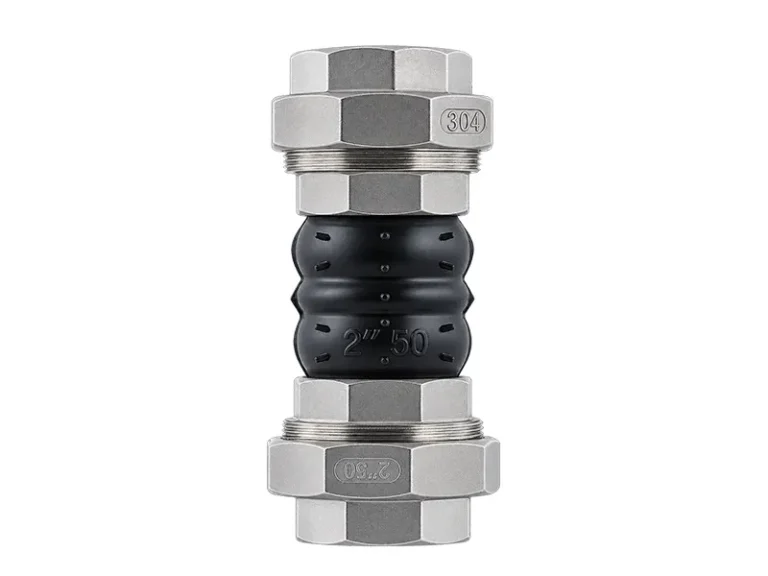
Stainless steel unions
For corrosive plant rooms and outdoor units.
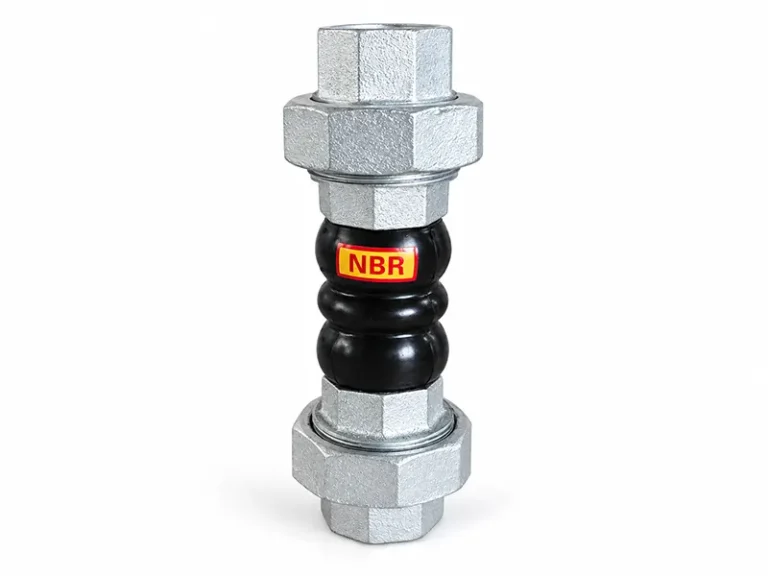
NBR body
For oily water and compressed air with oil mist.
Custom length
Made to replace an existing connector.
Other type
We have another type for you
Why Buy From Our Factory
A rubber joint is a simple product. What decides whether it lasts is the right material for your working conditions — and then the price.
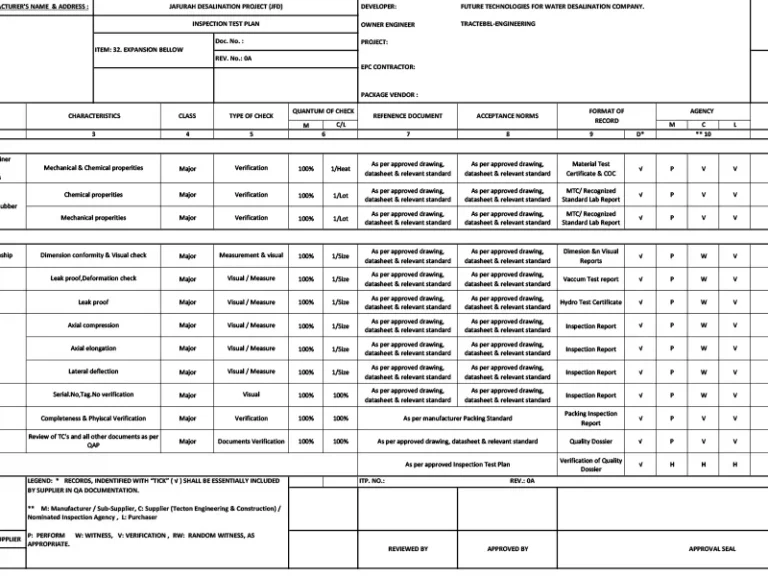
Working conditions confirmed first
Size, pressure, medium, temperature, length and flange drilling are checked against your data and sent back on a drawing before production starts.
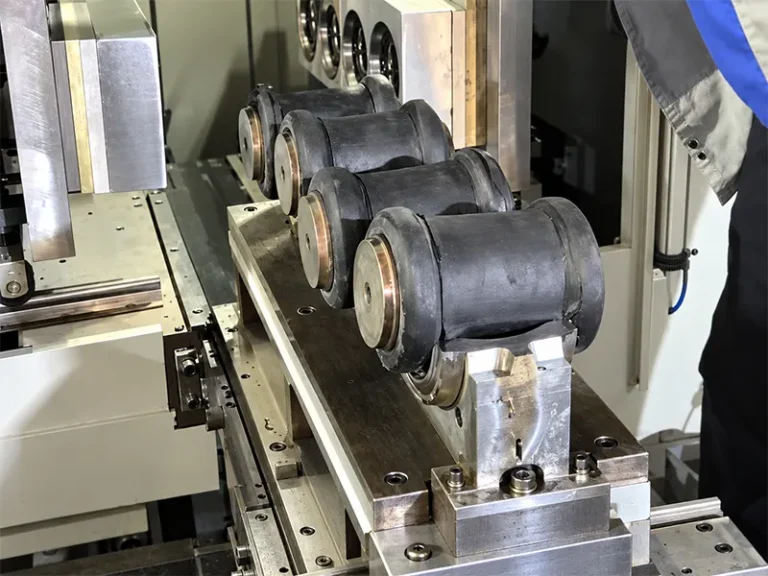
Full material, nothing thinned
Flanges and unions to full thickness, cord plies matched to the pressure class, rubber compounded in-house for your medium.
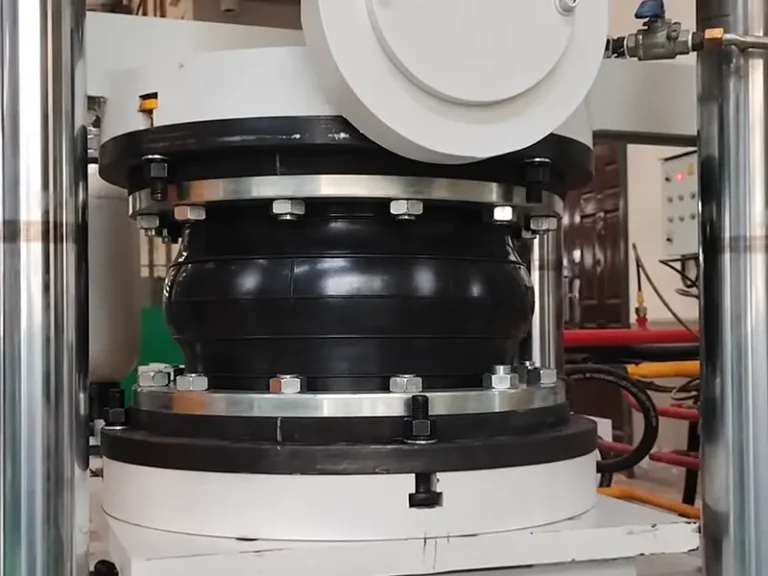
Pressure tested before packing
Every joint is tested at 1.5 × working pressure and checked for leaks and bulging.
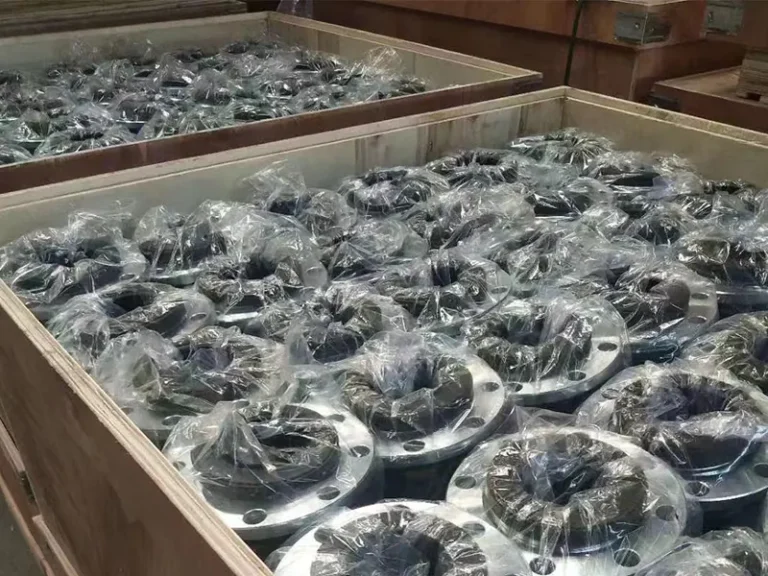
Factory price, quoted the same day
You buy from the production line, not through a trader. Send size, pressure and medium and get a price the same working day.
Where It’s Installed
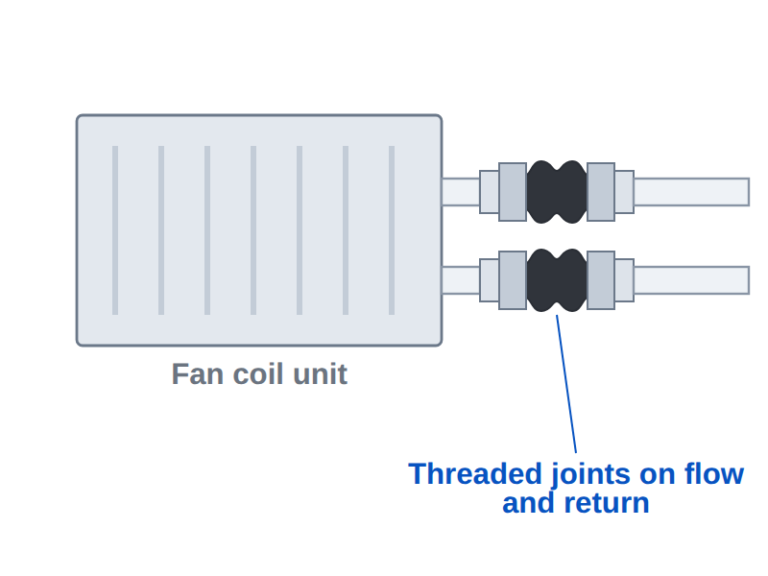
Fan coil units
Stops fan vibration reaching the water pipes.
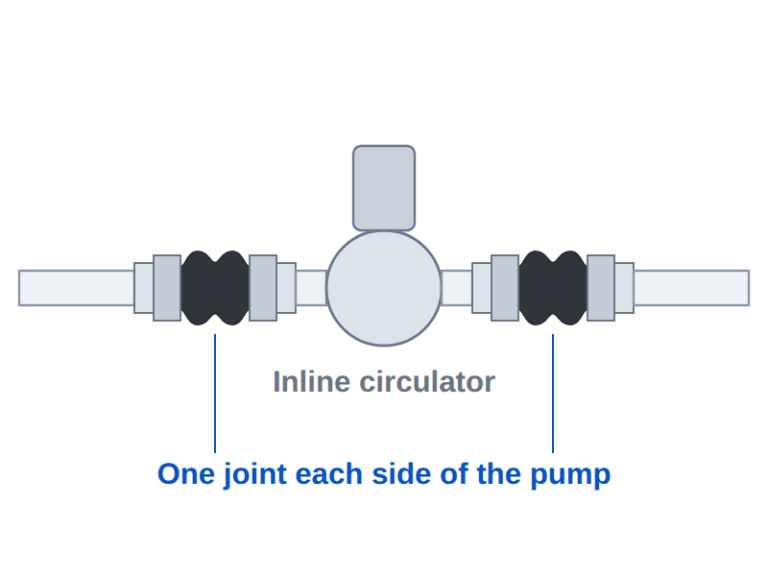
Small circulation pumps
Absorbs pump vibration on ½”–2″ lines.
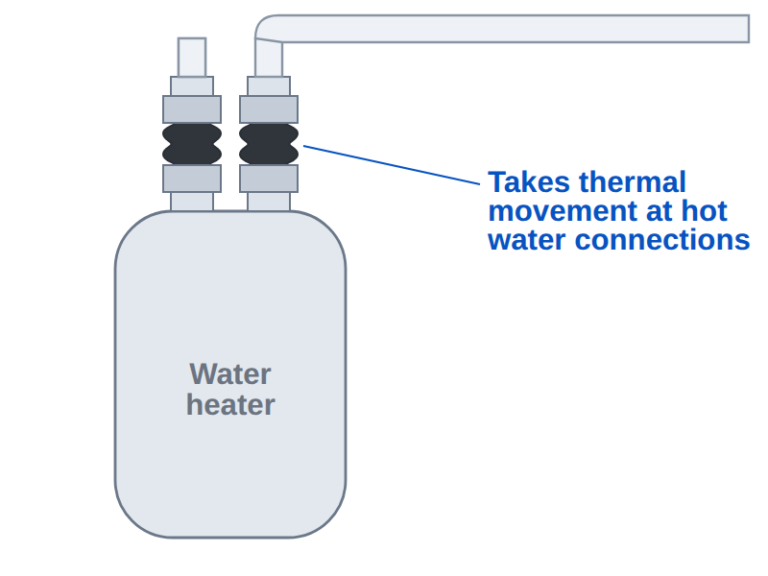
Water heaters and boilers
Takes thermal movement at hot water connections.
In Service
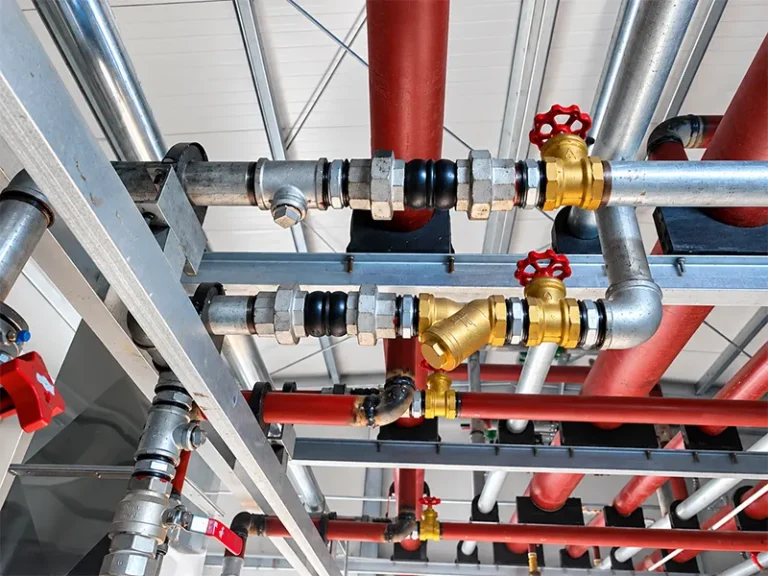
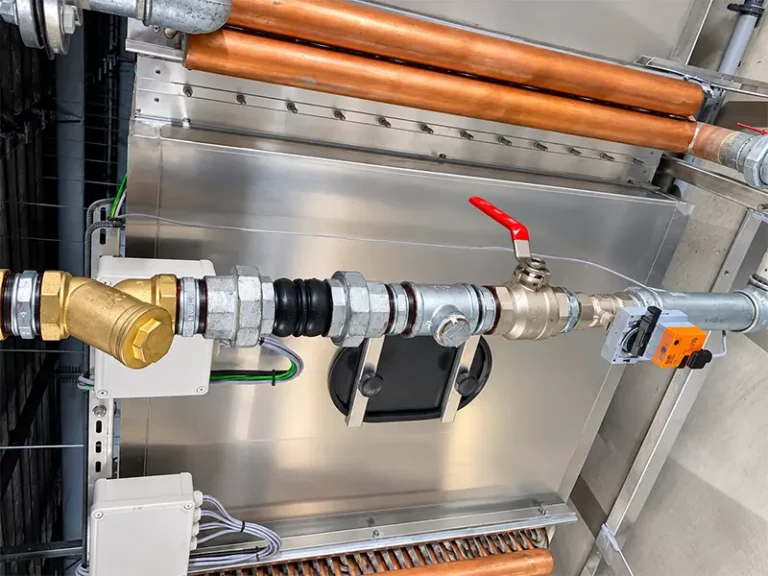
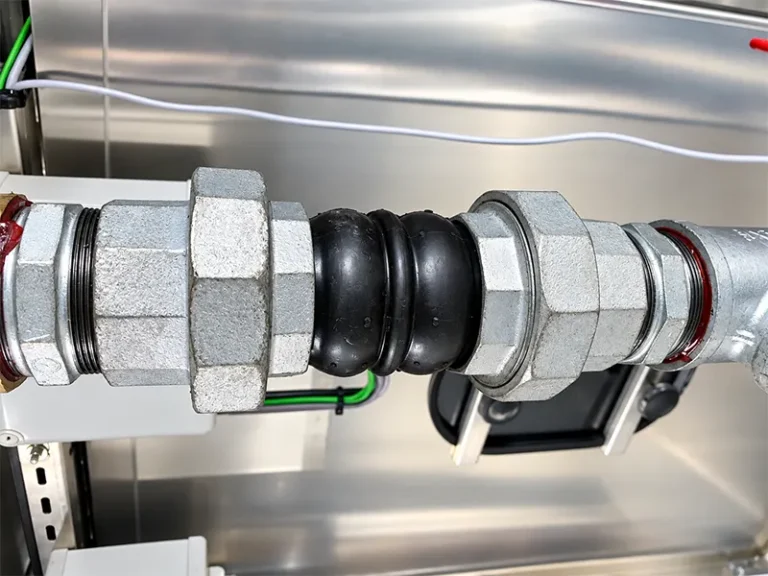
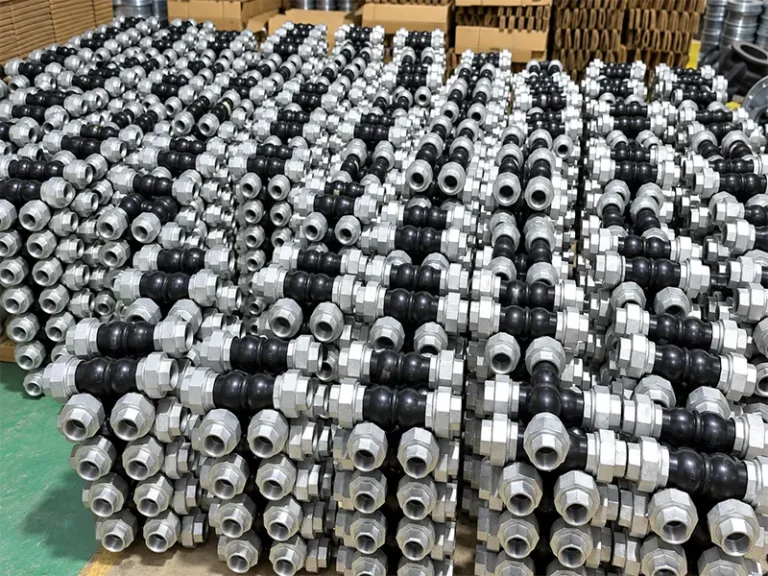
Rubber joints from our factory, photographed by customers on site.
Threaded Rubber Expansion Joint Price
What you pay depends on a few choices. Send them and we quote the same day.
What changes the price
Size:
½" to 2"
Union material:
Malleable iron vs SS304
Thread:
BSP / NPT
Rubber:
EPDM vs NBR
Quantity:
Carton price breaks
Reference price
| Size | Price per piece |
|---|---|
| DN15 ½" | Contact us |
| DN20 ¾" | Contact us |
| DN25 1" | Contact us |
| DN32 1¼" | Contact us |
| DN40 1½" | Contact us |
| DN50 2" | Contact us |
EPDM body, galvanised malleable iron unions, BSP thread. EXW Gongyi / FOB Tianjin, Ningbo or Guangzhou. Prices change with steel and rubber costs.
Downloads
Datasheets, drawings and references for submittals.
For this product
For all our rubber joints
Frequently Asked Questions
Which thread do you use?
BSP (parallel) is standard. NPT for North American projects. Tell us your pipe thread and we match it.
What pressure can it take?
1.6 MPa working pressure, 4.8 MPa burst pressure.
Can I use it on hot water?
Yes, from −20 to +115 °C for water and hot water.
What is the difference from a flanged rubber joint?
Same job, different connection. Threaded joints are for pipe up to 2″ and install with a wrench. Above 2″, use a flanged single or double sphere joint.
Are the unions stainless steel?
Standard unions are galvanised malleable iron. SS304 unions are available.
Do you sell by the piece or by the carton?
SURE, Please leave me your contact infomation, we will send you price list.
Related Products
Single Sphere Rubber Expansion Joint
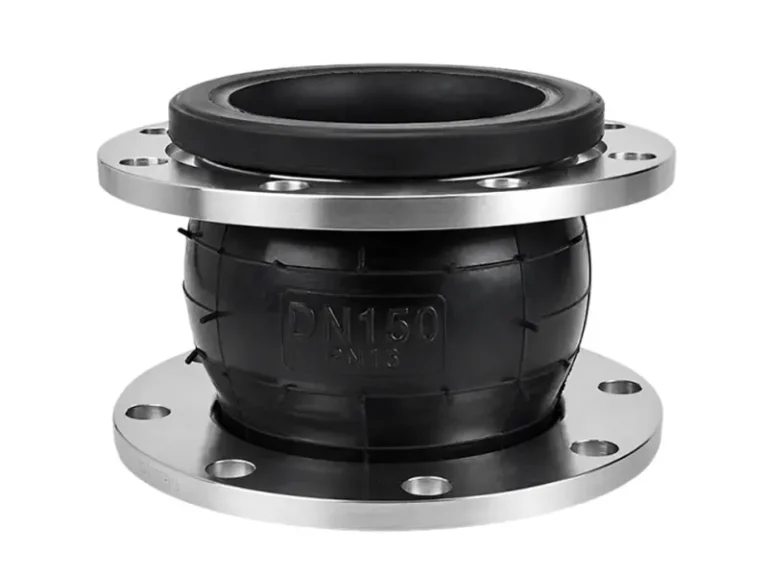
- Structure: Single Sphere
- Rubber Options: NR / EPDM / NBR / Customized
- Size Range: DN32–DN3100
- Flange Options: Carbon Steel / Stainless Steel
- Customization: According to Your Drawing
- Applications: Water, HVAC & Industrial Piping
Threaded Rubber Expansion Joint
- Connection: Threaded Connection
- Rubber Options: NR / EPDM / NBR / Customized
- Size Range: DN32–DN80
- Thread Options: Customized
- Customization: According to Your Drawing
- Applications: Water, HVAC & Equipment Connections
Single Sphere Rubber Expansion Joint
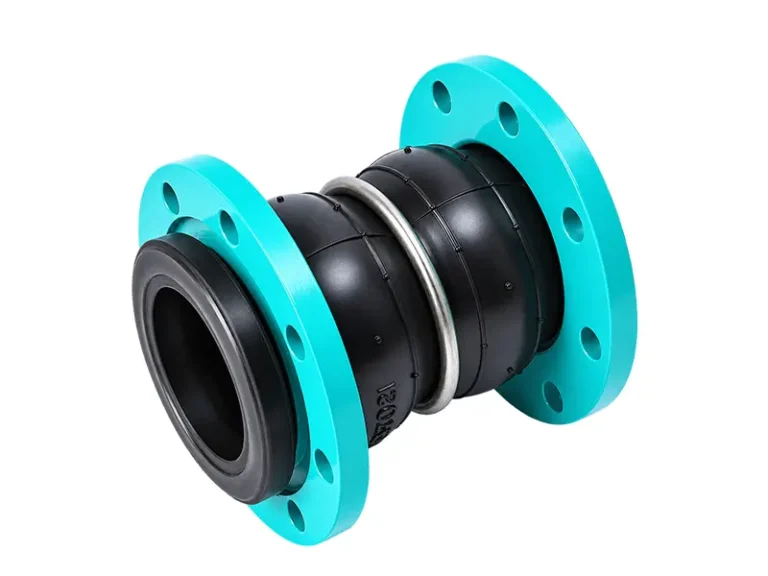
- Structure: Double Sphere
- Rubber Options: NR / EPDM / NBR / Customized
- Size Range: DN32–DN600
- Flange Options: Carbon Steel / Stainless Steel
- Customization: According to Your Drawing
- Applications: Water, HVAC & Industrial Piping
Rubber Expansion Joint with Control Units
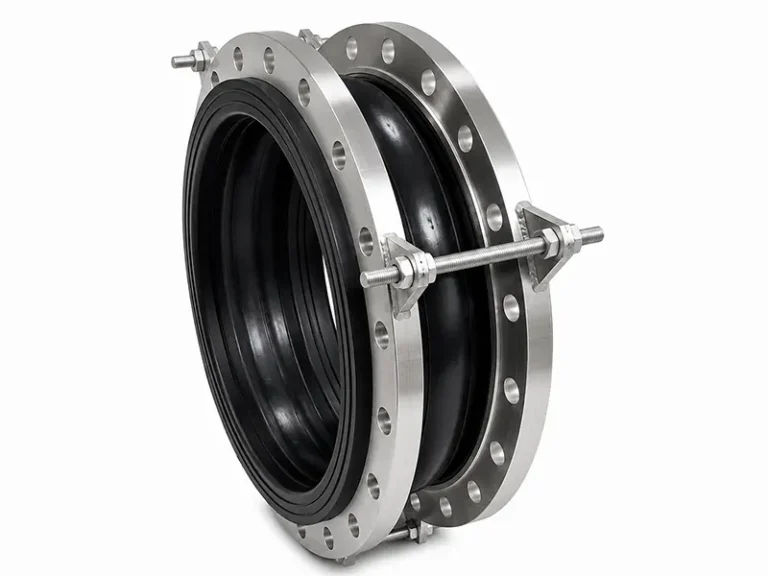
- Structure: Single Sphere with Control Rods
- Rubber Options: NR / EPDM / NBR / Customized
- Size Range: DN32–DN3100
- Control Units: Tie Rod Type
- Customization: According to Your Drawing
- Applications: Pumps, Valves & Industrial Piping
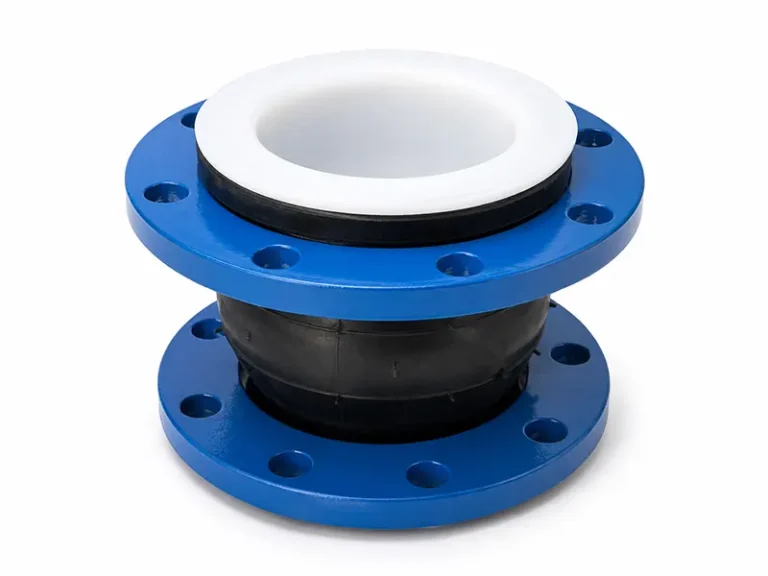
PTFE Lined Rubber Expansion Joint
- Lining: PTFE Lined
- Rubber Options: EPDM / NBR / Customized
- Size Range: Customized
- Flange Options: Carbon Steel / Stainless Steel
- Customization: According to Your Drawing
- Applications: Chemical & Corrosive Media
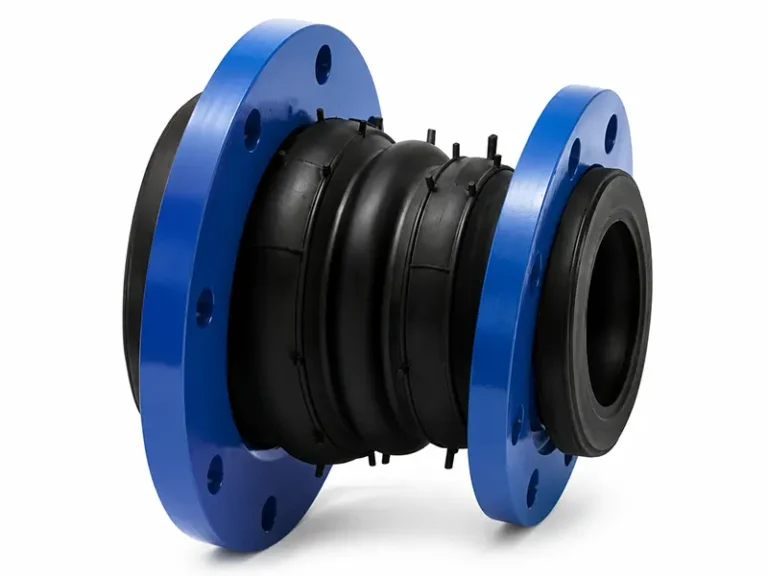
Concentric Reducer Rubber Expansion Joint
- Structure: Concentric Reducer
- Centerline: Same Centerline
- Rubber Options: NR / EPDM / NBR / Customized
- Size Range: Customized
- Flange Options: Carbon Steel / Stainless Steel
- Applications: Different-Diameter Pipeline Connections
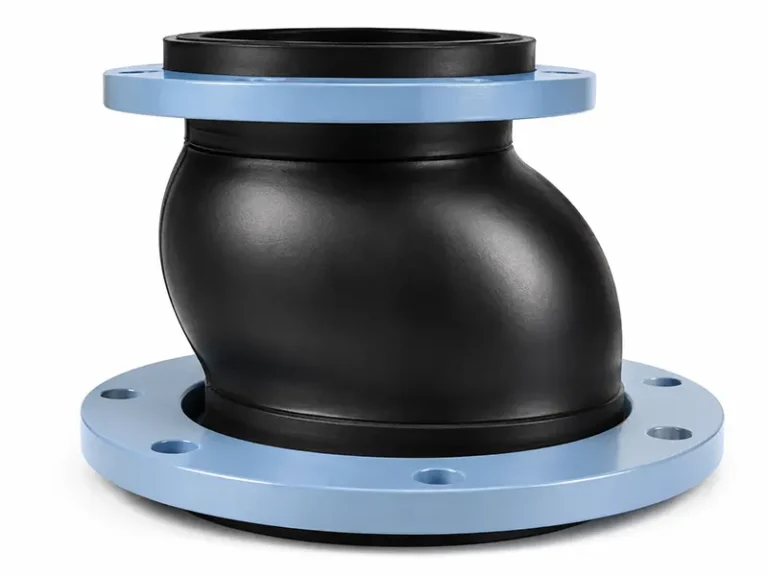
Eccentric Reducer Rubber Expansion Joint
- Structure: Eccentric Reducer
- Rubber Options: NR / EPDM / NBR / Customized
- Size Range: Customized
- Flange Options: Carbon Steel / Stainless Steel
- Customization: According to Your Drawing
- Applications: Pumps & Different-Diameter Pipelines
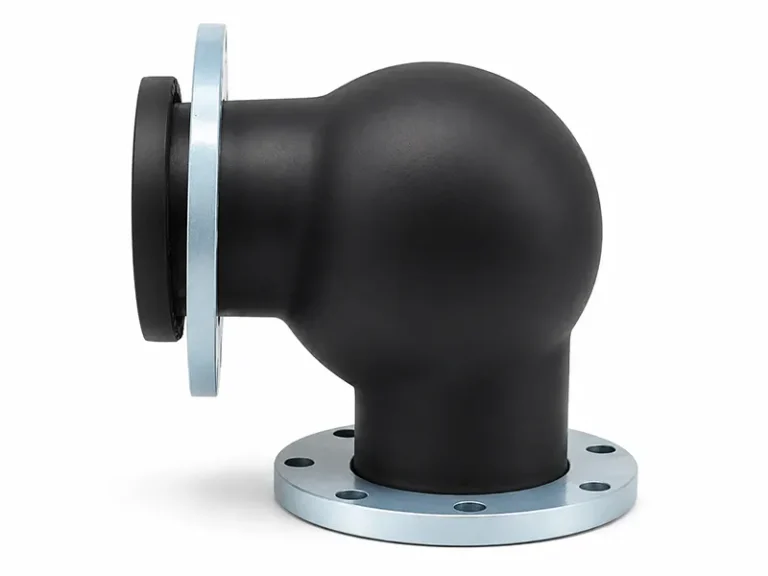
90° Elbow Rubber Expansion Joint
- Structure: 90° Elbow
- Rubber Options: NR / EPDM / NBR / Customized
- Size Range: Customized
- Flange Options: Carbon Steel / Stainless Steel
- Customization: According to Your Drawing
- Applications: Pipeline Direction Changes
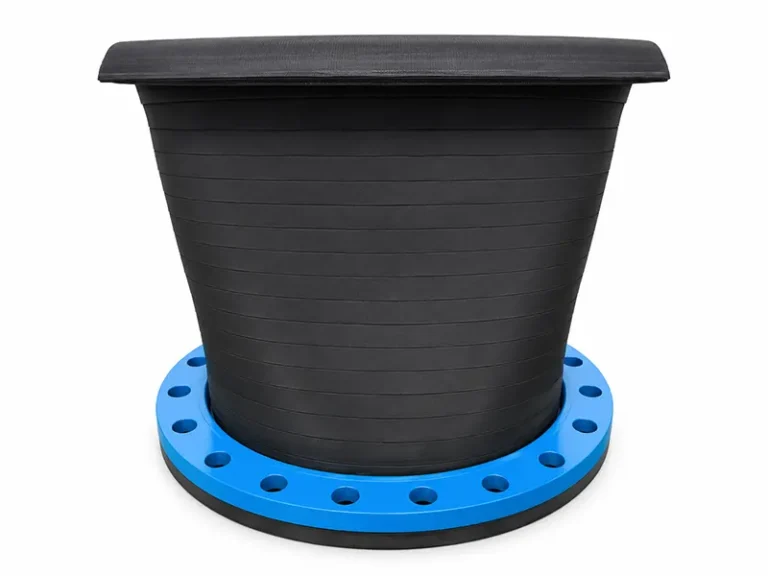
Flanged Duckbill Check Valve
- Structure: Duckbill Type
- Rubber Options: EPDM / NBR / Customized
- Connection: Flanged
- Size Range: Customized
- Function: Backflow Prevention
- Applications: Drainage, Sewage & Water Systems
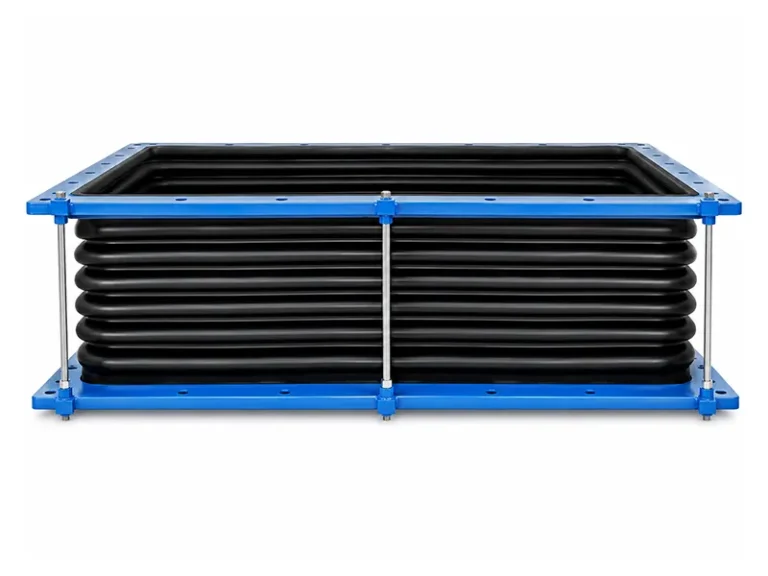
Rectangular Rubber Expansion Joint
- Structure: Rectangular Type
- Rubber Options: EPDM / Customized
- Size Range: Customized
- Connection: Flanged Frame
- Customization: According to Your Drawing
- Applications: Ducts & Large Pipeline Systems
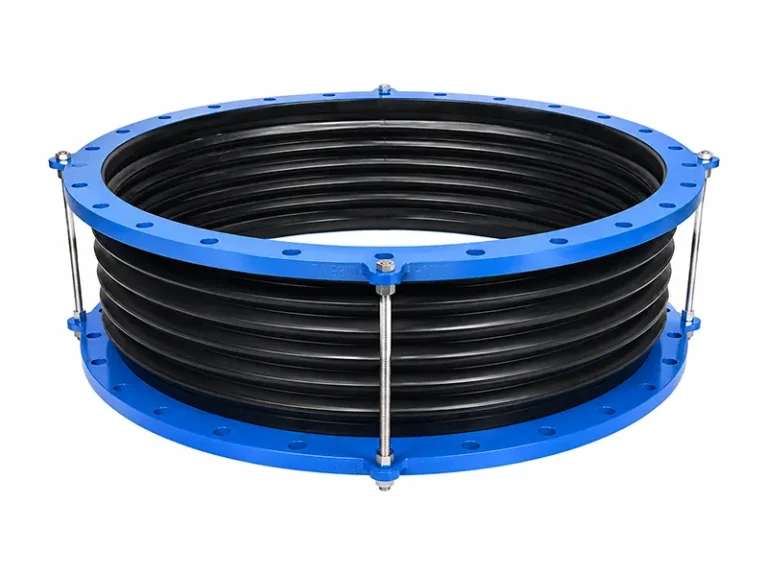
Large Diameter Rubber Expansion Joint
- Structure: Large Diameter Type
- Rubber Options: NR / EPDM / NBR / Customized
- Size Range: Large Diameter / Customized
- Connection: Flanged
- Customization: According to Your Drawing
- Applications: Water & Industrial Pipeline Systems
Send Your Size, Pressure and Medium
We reply with a drawing and a price within 24 hours on working days.
Contact Us
Send your size, pressure, medium, flange standard and quantity. This block follows the clean contact layout of your reference page.